The Maison
The Atelier
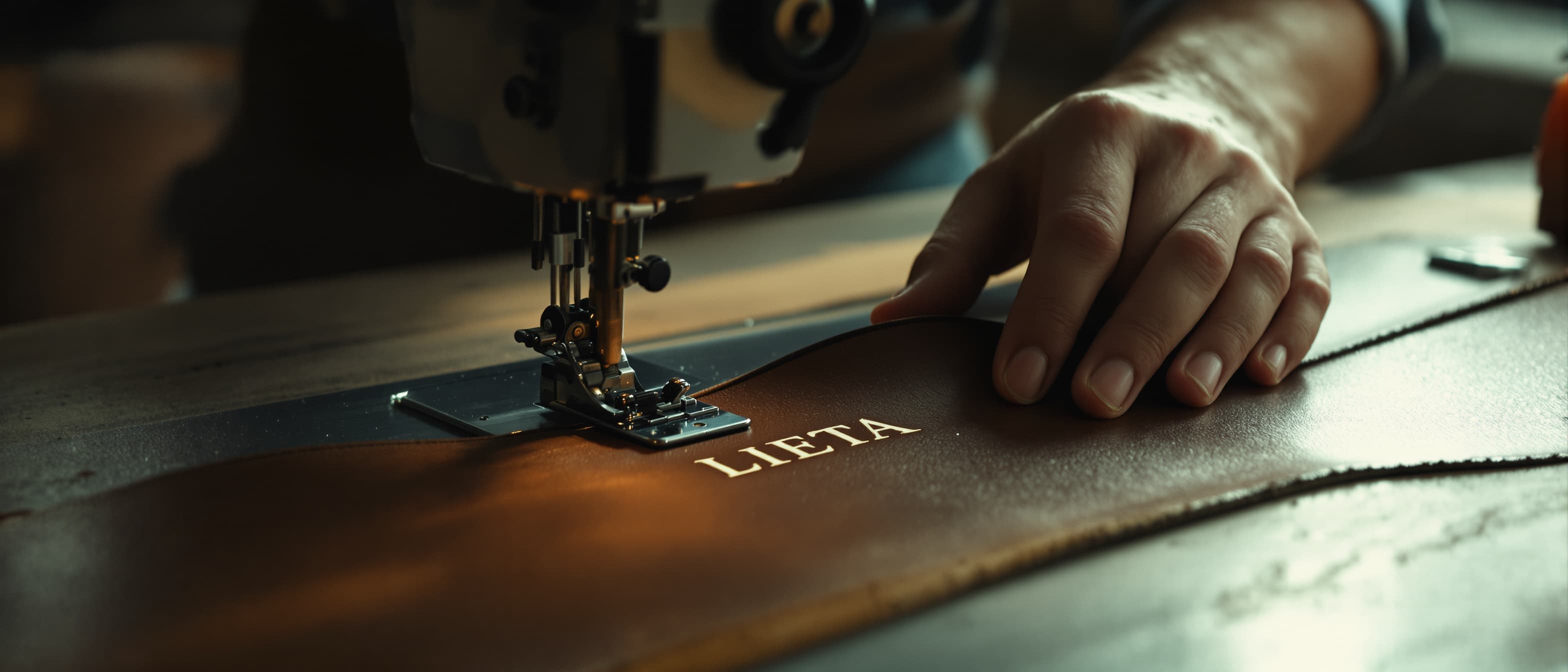
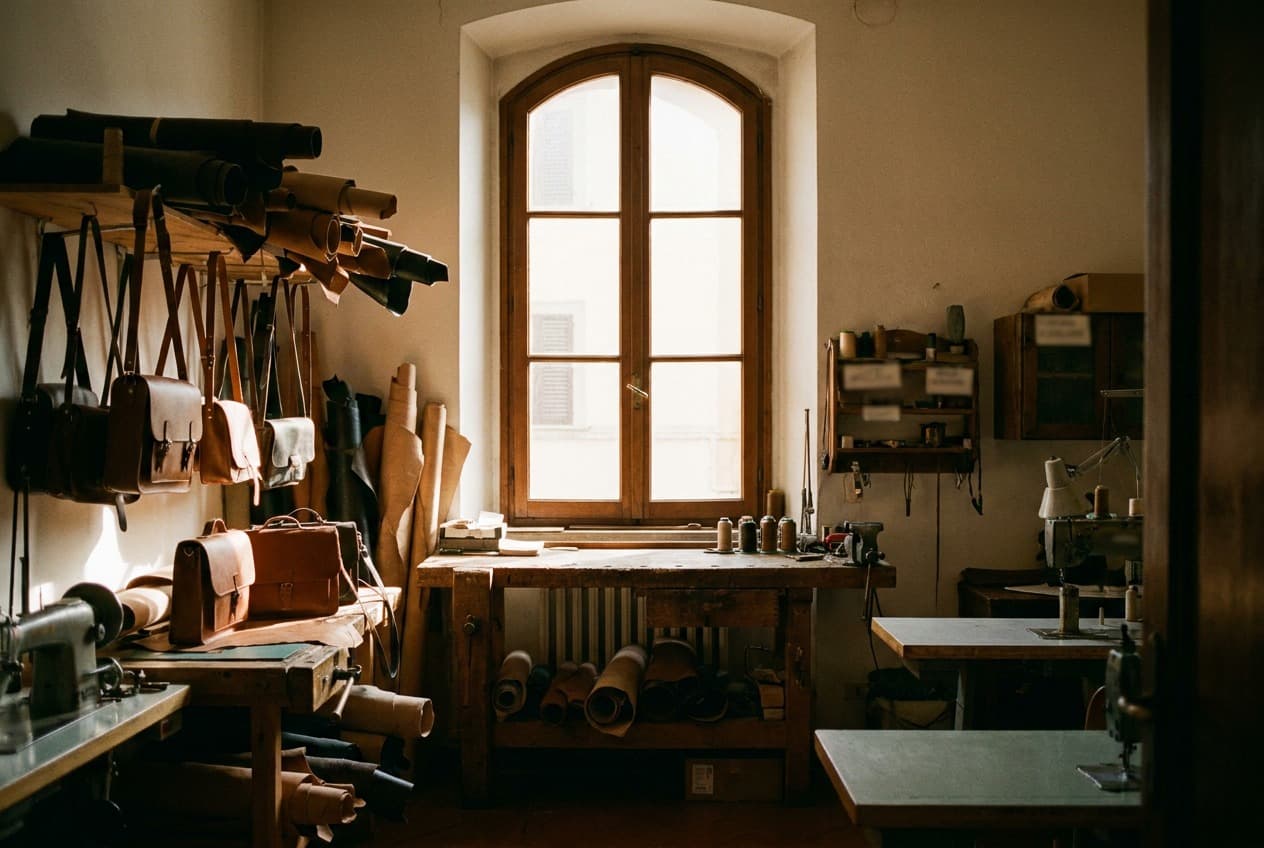
Every LIETA bag is cut, stitched and finished by hand in Scandicci — the leather district outside Florence. Below is exactly how, step by step, with no marketing flourish.
The craft you'd pay a fortune for, kept.
The markup, dropped.
No house secret. No HERITAGE™ marketing. Just six steps, done by hand, in a workshop a tram ride from the Duomo. Every step on this page is the same for every bag we sell — there is no “atelier line” and “mainline.” We only have one line.
The leather
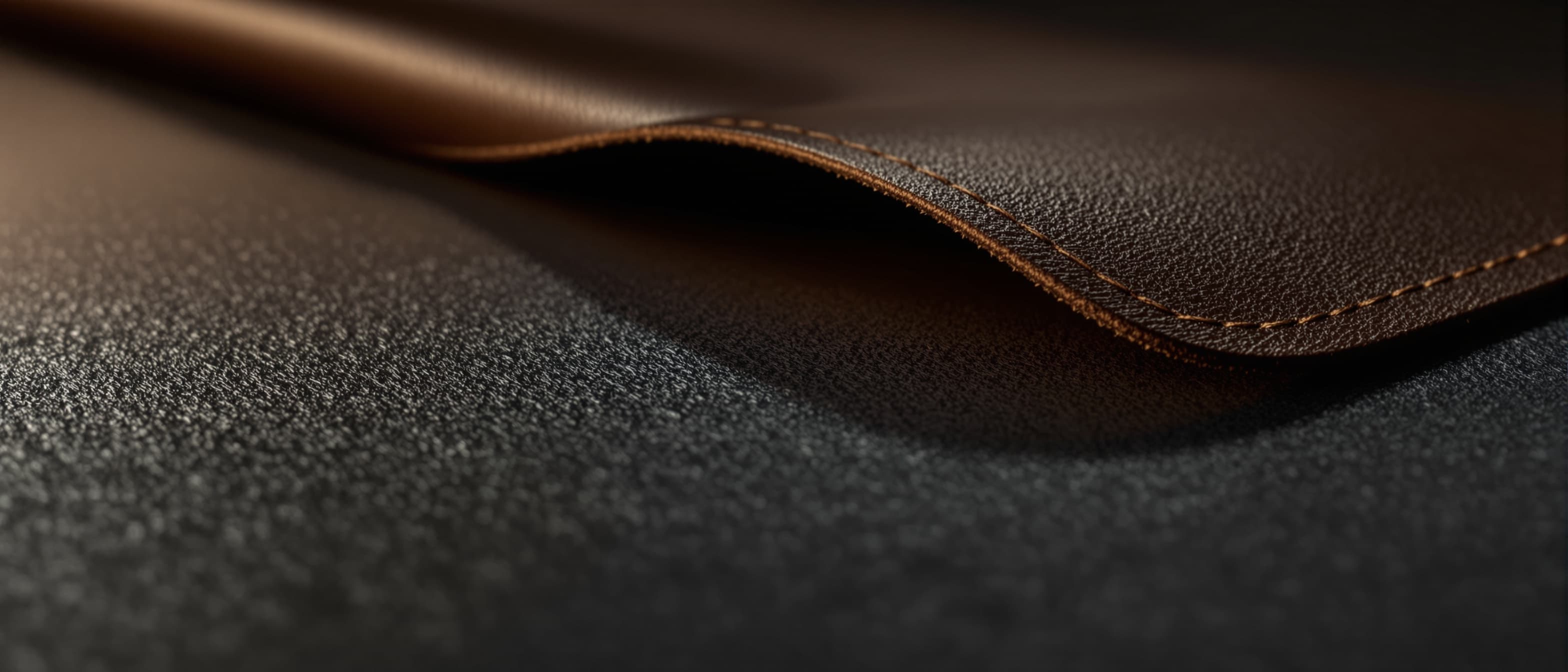
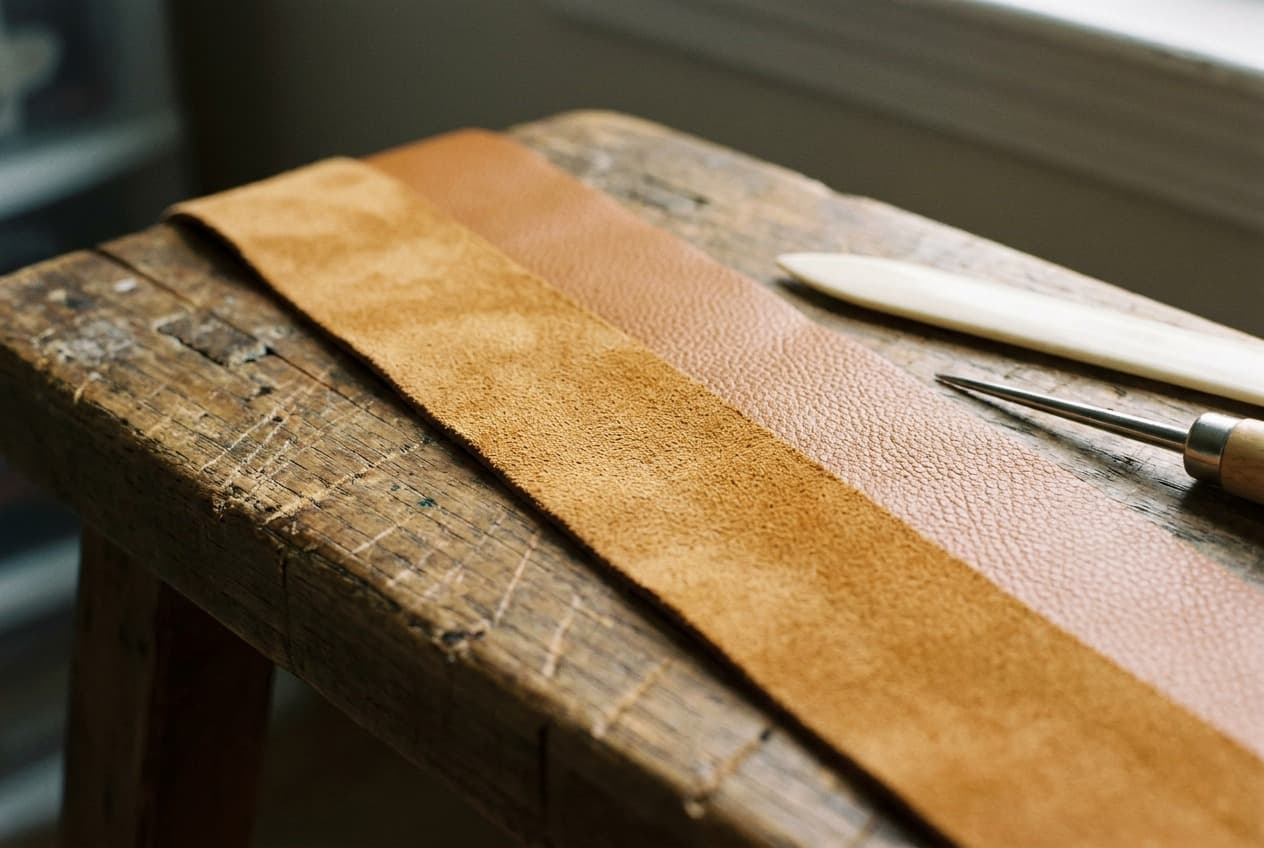
Two tanneries in Tuscany supply us. The smooth calf is Walpier Buttero — vegetable-tanned, dyed all the way through, finished by hand on the bench. The suede is split from the same hides and brushed twice. Nothing pebbled, nothing corrected, nothing coated to look like leather without being it.
The cutting
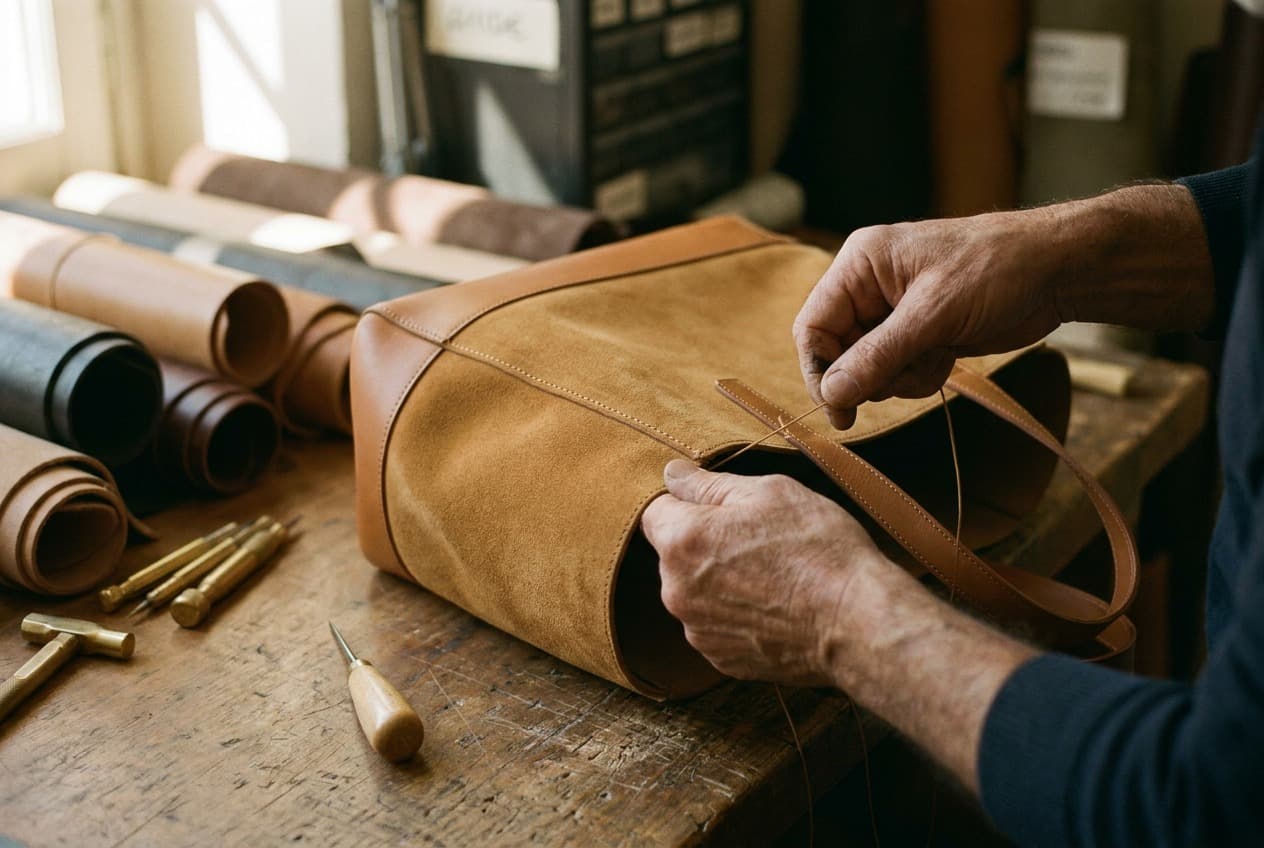
Each bag is cut from a single hide by one cutter. The panels are positioned along the spine of the skin so the grain flows uninterrupted across the front. Off-cuts are folded into smaller pieces — the strap, the inner tab, the loop — so a hide gives up no more than it has to.
The stitching
Side seams are sewn on a Pfaff industrial machine at eight stitches per inch — straight, even, no skipped beats. Handle attachments and the inner tab are saddle-stitched by hand: two needles, one waxed linen thread. Saddle stitch can't unravel from a single broken loop; it has to fail one stitch at a time.
The hardware
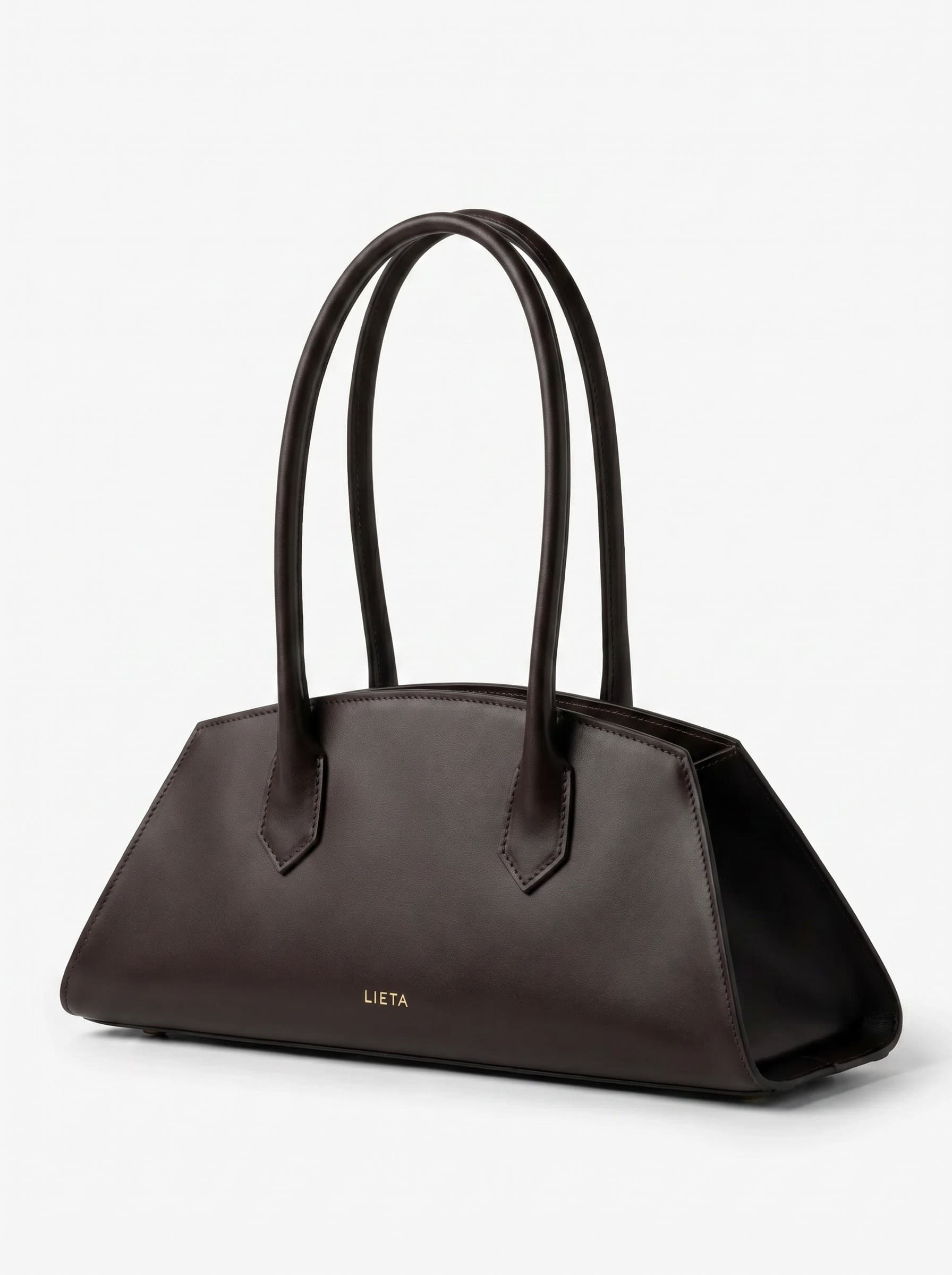
Solid brass, gold-plated by an Aretine plater that supplies houses we won't name. The zipper is Riri — Swiss, lifetime feel. We don't use thin alloy plate. We don't use hollow stamped tin. If you press a fingernail through any piece of our metal, you get nothing.
The finishing
Edges are painted, dried, sanded, repainted — four passes, one colour matched to the leather. The wordmark is hot-stamped into the leather, not glued. The lining is stitched in, not bonded. Each bag is hand-polished with a wax cloth before it ever sees a box.
Quality
Every bag is checked by hand before it leaves the workshop — the stitch count, the symmetry of the handles, the seat of the hardware, the smell of the leather. If anything is wrong, the bag goes back across the bench to the same artisan who made it. We don't have a B-grade line, and we don't sell seconds.
Scandicci
Where
Twenty minutes outside Florence by tram, in the leather district that has supplied the great Italian houses for a hundred years. Eleven artisans. One floor. One line.
The result
A small, considered line.
Every bag on the site has gone through every step on this page. Nothing has been outsourced past the tannery.
Discover The Bags