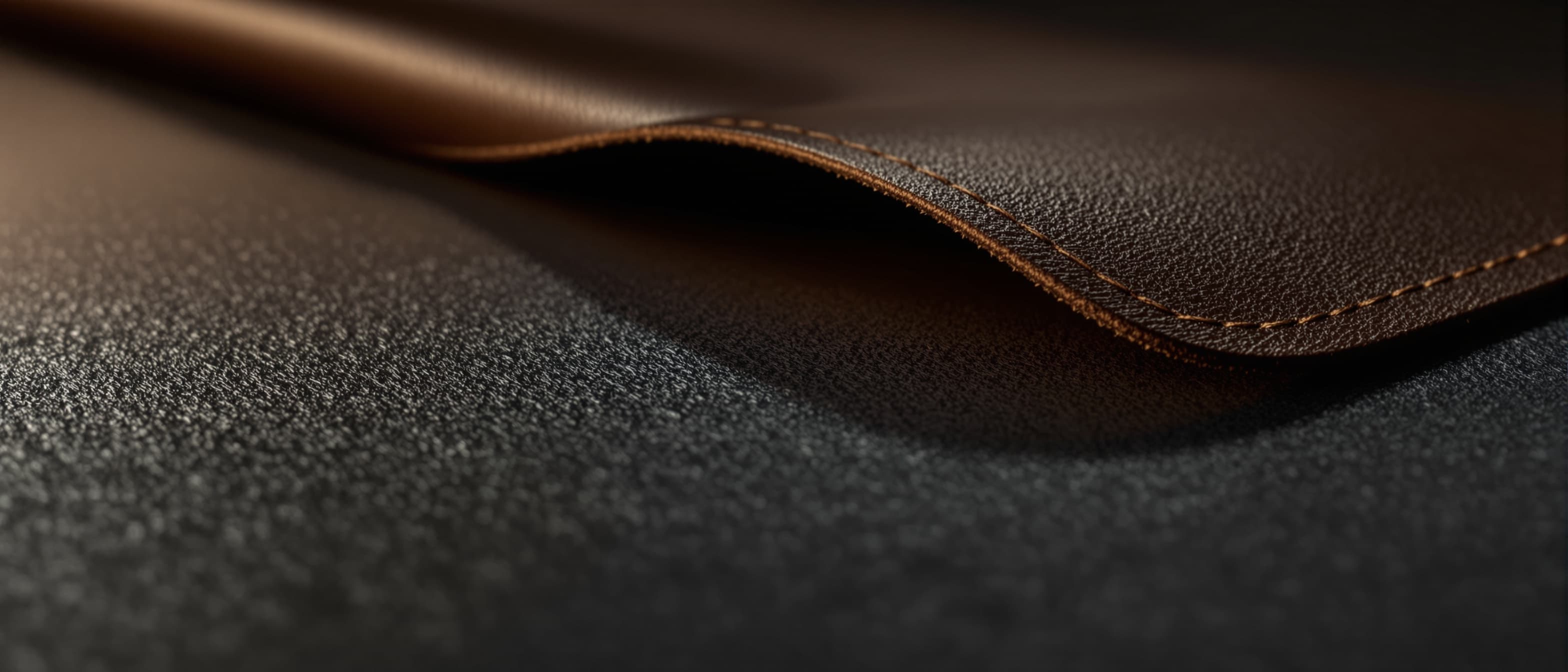
Buttero leather: what it is and why we use it
When we tell customers we use Buttero leather, the most common reaction is a polite nod that means "I trust you, but I don't know what that is." That's reasonable — Buttero isn't a luxury marketing term, it's an industrial specification. It's also one of the best calf leathers made anywhere. This is what's going on.
By The Maison
What "Buttero" actually refers to
Buttero is the specific name of a leather produced by a single Italian tannery, Conceria Walpier, in the small Tuscan town of Castelfranco di Sotto. The town sits in the leather valley between Pisa and Florence — within an hour of every famous Italian leather brand.
Walpier has been making Buttero since 1973. It is a full-grain Italian calf leather, vegetable-tanned, dyed all the way through (not surface-coloured), and finished by hand on the bench. The leather is sold to leather-goods workshops, saddleries, belt-makers and a small number of houses willing to pay for the real thing.
Buttero translates loosely as cowherd — the Maremma cowherds who traditionally rode the Tuscan plains. The name is a reference to traditional Italian saddlery, which is what this leather was originally developed for.
Vegetable tanning, in plain terms
There are two ways to turn a raw hide into usable leather. Chrome tanning uses chromium salts and takes about a day. Vegetable tanning uses tannins from plants — chestnut, quebracho, mimosa, oak — and takes several weeks. The hide soaks in slowly stronger tannin baths until the fibres are stable.
Chrome-tanned leather is softer immediately, takes bright colours easily, and is cheaper. It dominates the leather market — over 80% of leather worldwide is chrome-tanned.
Vegetable-tanned leather is firmer, takes more subtle colours, smells of bark and honey rather than chemistry, and ages by deepening rather than cracking. It is what serious saddlery, top belts, and good handbags are made from.
Buttero is vegetable-tanned. The process at Walpier has not meaningfully changed since the 1700s.
Why "full-grain" matters
A hide has layers. The top millimetre or two — the side that grew on the outside of the animal — is called the grain. It is the densest, strongest, and most beautifully textured layer.
Full-grain leather is the entire top layer, with the natural surface intact. You can see the original pore pattern, the natural variations, sometimes a faint scar from the animal's life. Most luxury houses worth their name use full-grain.
Top-grain leather has had the top sanded off to remove imperfections, then a fake grain printed on. Cheaper, more uniform, less durable, doesn't develop patina.
Genuine leather (a deliberately misleading term) is usually the lowest grade — the bottom layers of the hide, glued together and surface-coated to look like leather. Avoid.
Buttero is full-grain. Walpier rejects hides with significant defects rather than sanding them away.
How Buttero ages
This is the single best thing about Buttero. A new piece is a clean, even colour — chocolate, black, cream, or one of Walpier's natural tones. Over the first year of carrying it, three things happen.
The leather softens. Not floppy — it remains structured, but the fibres relax under the warmth of your body and the natural oils on your skin. The hand becomes silkier.
The colour deepens. Vegetable-tanned leather contains plant tannins that oxidise slowly in light and air. Chocolate becomes deeper. Cream becomes honey. Natural becomes a rich tobacco. This is the famous patina. It is not the same as wear — wear is damage; patina is depth.
The leather holds your imprint. Subtle marks where your hand grips the handles, a soft sheen on the front from sliding against your coat — these become part of the bag's identity. A two-year-old Buttero bag looks better than a new one. A ten-year-old Buttero bag looks better still.
Care: simpler than you'd think
Buttero needs less care than you've been told other leathers need.
Don't put it in the rain on purpose. Water marks on vegetable-tanned leather are real — they leave faint rings as the leather dries. A few drops are fine. A summer shower is fine if you let it air-dry afterwards. Don't carry it as an umbrella.
Don't condition it constantly. Once a year, a thin coat of neutral leather balm rubbed in with a soft cloth is enough. More than that and the leather can become saturated and lose structure.
Don't store it in plastic. Leather is a natural material that needs to breathe. Keep it in the cotton dust bag we send it in, somewhere cool and dry, lightly stuffed to hold its shape.
Don't panic about scratches. Most surface scratches on full-grain leather disappear on their own as the surrounding leather warms and flexes. Rub a small scratch with the pad of your thumb — most of the time, it's gone in a minute.
Why we use it
We use Buttero because it's the standard our level of bag should meet. If we are going to make €255 bags that we want to last twenty years and look better at fifteen than at one, the leather has to be the kind that ages instead of degrading.
Buttero costs us roughly €60-€80 per square metre. Cheaper leathers would lower our cost by €40-€60 per bag. We don't do it — partly because the saving is small relative to what we're trying to be, and partly because the bag would not feel right.
If you ever hold a LIETA next to a piece of chrome-tanned leather of similar shape, you'll feel the difference instantly. The Buttero is heavier, denser, slightly drier to the touch when new. After a year, the chrome-tanned piece looks tired and the Buttero looks alive.
Frequently asked
- What is Buttero leather?
- Buttero is a full-grain, vegetable-tanned Italian calf leather produced by Conceria Walpier in Castelfranco di Sotto, Tuscany. It's been made by the same tannery since 1973 using a tanning process essentially unchanged since the 1700s. Walpier supplies the high end of the leather-goods industry — saddleries, top belt makers, and a number of handbag houses.
- Is Buttero leather better than chrome-tanned leather?
- Better for what? Buttero is firmer, ages by deepening rather than cracking, develops a patina with use, and avoids chromium salts in the tanning process. Chrome-tanned leather is softer immediately, takes bright dyes easily, and is significantly cheaper. For handbags meant to last decades, vegetable-tanned full-grain like Buttero is the more serious choice.
- How long does Buttero leather last?
- Properly cared-for Buttero typically lasts 20-30 years of regular use without significant degradation. Many pieces last longer. The leather actually becomes more beautiful with age — softer, deeper in colour, with a patina that can't be faked or replicated by a new bag. Repairs to handles or edges can extend the life indefinitely.
- How do I care for Buttero leather?
- Less than you'd think. Keep it out of prolonged rain, condition once a year with a thin coat of neutral leather balm, store in a cotton dust bag (not plastic) lightly stuffed to hold its shape. Most surface scratches fade on their own as the leather warms and flexes. Avoid solvents, alcohol, and chrome-leather cleaning products.
- What's the difference between Buttero and full-grain leather?
- Buttero is a specific brand of full-grain leather — full-grain describes the cut of the hide (the entire top layer with natural surface intact), while Buttero is the trademark for Conceria Walpier's particular vegetable-tanned, dyed-through Italian calf leather. All Buttero is full-grain, but not all full-grain is Buttero.
Also from the Journal
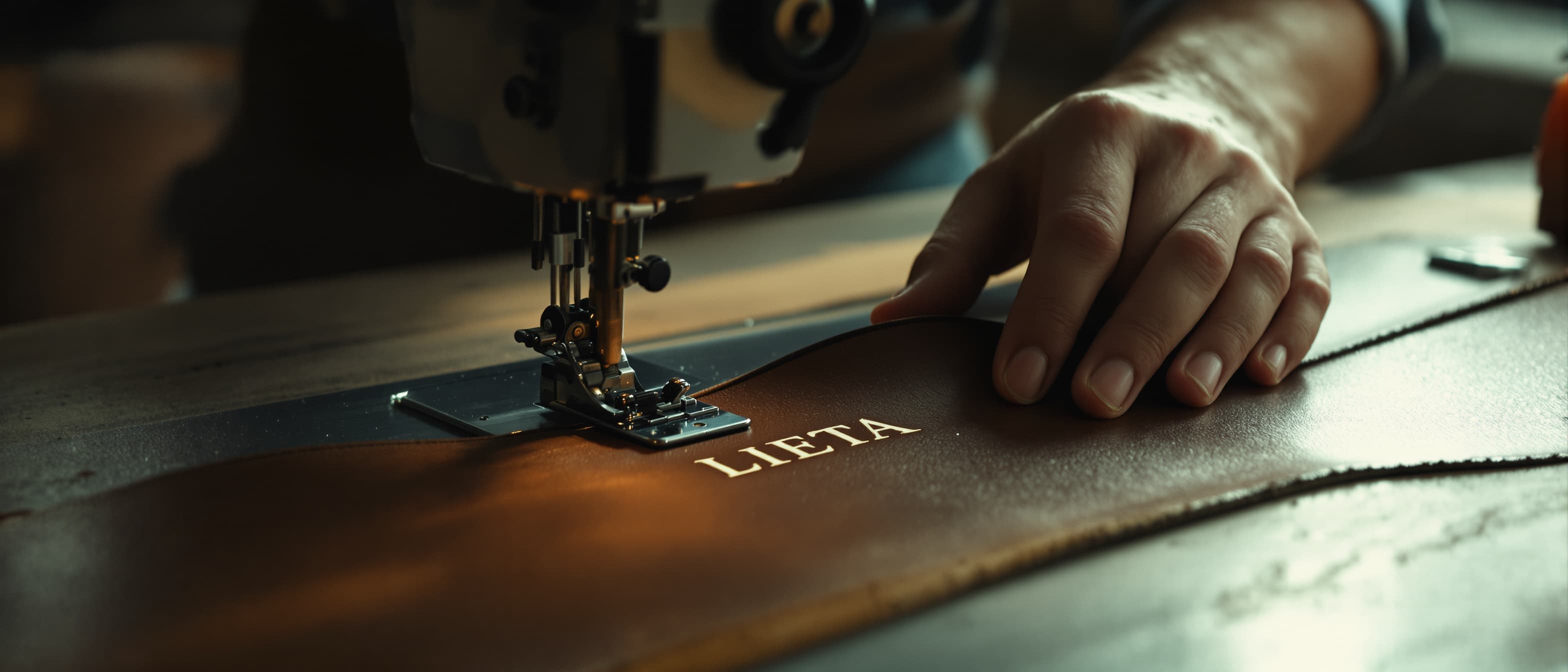
Where Hermès bags are actually made (and why ours come from the same district)
Ask where your Hermès Birkin is made and the honest answer surprises most people. It's not Paris. The leather, the cutters, much of the work — they all travel through the same Italian leather district we work with. Here's a tour.
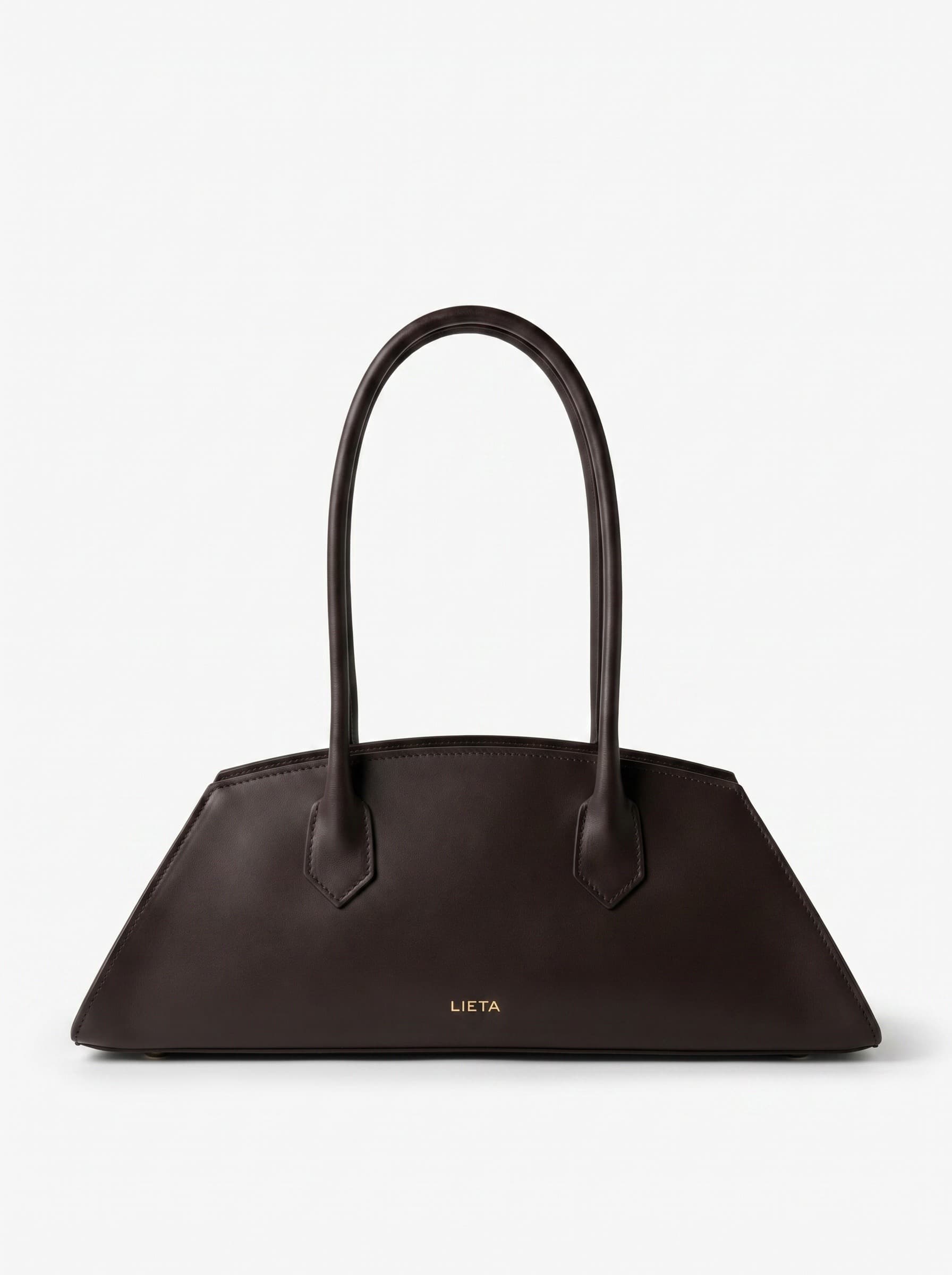
Why does a luxury handbag cost €4,000? The real markup breakdown
A €4,000 handbag isn't €4,000 of materials. The leather costs what the leather costs. The stitching takes the hours it takes. So what makes up the rest of the price tag? We did the maths.