Where Hermès bags are actually made (and why ours come from the same district)
When customers ask us where their LIETA bag is made, they are sometimes surprised by the answer: a small workshop in Scandicci, just outside Florence. They expect Milan, or Paris, or somewhere with a flagship boutique nearby. The thing they do not yet know is that most of the famous houses they grew up with — Hermès, Celine, Loewe, Saint Laurent, Gucci — make a great deal of their leather goods in the same district. The leather travels through the same hands. The only difference is what you pay at the end.
By The Maison
The fact most people don't know about Hermès
Hermès does run leather workshops in France. Their atelier in Pantin — a northern suburb of Paris — is real, and a small share of their bags are stitched there.
But Hermès also has leather workshops in Bogny-sur-Meuse, in Seloncourt, in Pierre-Bénite, and in several other French towns most people have never heard of. And the leather itself — the calf, the suede, the lining — is rarely tanned in France. It comes from Italy, from a handful of tanneries in Tuscany, the same region we source from.
The point isn't that Hermès is dishonest about it. The point is that the romantic image of an old Parisian craftsman cutting your Birkin on Place Vendôme is largely a marketing creation. The real industry is in Tuscany.
Scandicci: a town of 50,000 with 600 leather workshops
Scandicci is a town of about 50,000 people on the western edge of Florence. You can reach it by tram in twenty minutes from the Duomo. It does not look like a luxury capital. It looks like a small Tuscan industrial town — warehouses, low buildings, a few churches, good coffee.
What it actually is, is the world's densest concentration of leather-goods workshops. Roughly 600 of them. The trade has been here since the Medici took an interest in leather in the 14th century, and it never really left.
If you walk through Scandicci on a Wednesday morning you will pass small, unmarked buildings with the same kind of stitching machines we use, the same cutting tables, the same vegetable-tanned hides drying on racks. Inside many of those buildings, work is being done for houses you would recognise instantly.
Who's actually here
Gucci's largest leather-goods production hub is in Scandicci. Their main headquarters at Casellina is a few minutes from the centre.
Prada has a major workshop here. So does Celine. So do Saint Laurent and Loewe. Some of these are owned subsidiaries; others are independent ateliers that supply multiple maisons under non-disclosure agreements. It's not unusual for the same artisan to work on bags for two famously different brands in the same week.
When a house says handcrafted in Italy, this is usually the place they mean.
What "Made in Italy" actually means under EU law
EU origin rules are loose. To carry a Made in Italy label, only the last substantial transformation of the product needs to happen in Italy. So a bag can have its leather imported from elsewhere, cut elsewhere, and only the final stitching done in Italy — and still be labelled Italian.
The premium Italian houses generally do better than that. The serious ones cut and stitch entirely in Italy, with leather tanned in Italy, with hardware made in Arezzo or Vicenza. But the law does not require it.
Our standard is the serious one. Walpier-tanned Italian calf, cut in Scandicci, stitched in Scandicci, finished in Scandicci. A serial card travels with the bag.
What our connection looks like
We work with one atelier in Scandicci. Eleven artisans. One floor. We share the building with another workshop that produces under-the-counter for two large French houses we cannot name.
Our hides come from Walpier, a tannery in Castelfranco di Sotto — fifty kilometres west, in the same Tuscan leather valley that supplies Hermès, Celine, and Gucci. The vegetable-tanning process used for our Buttero calf has not meaningfully changed since the 1700s.
The stitching machine is a Pfaff. The same model used at the high end. The waxed linen thread for the saddle stitch is the same supplier as the famous houses use. The brass hardware is gold-plated in Arezzo, by the same plater whose other clients we are also not permitted to name.
So why is Hermès €5,000 and ours is €255?
It's a fair question. The honest answer has three parts.
Production cost — for a bag of this caliber, the leather costs roughly €70-120, the hardware €30-50, the labour for cut + stitch + finish €150-300. Call it €250-450 for a top-end piece. The maths is the same for everyone.
Real estate — a flagship lease on Avenue Montaigne in Paris is roughly €15,000 per square metre per year. Hermès has dozens of these. So does Louis Vuitton. Each one has to pay for itself.
Brand equity and marketing — campaigns with film stars, fashion week, the cost of being a name that is famous. This is real money that gets added to the sticker price, often three or four times over.
We don't have boutiques on Place Vendôme. We don't run campaigns with celebrities. The bag in your hands costs us the production cost plus a modest, honest margin. That's the whole pitch.
How to spot a bag that's actually made well
If you ever want to test a bag — your LIETA, your Polène, your Hermès — there are a few quick tells.
Edges. Quality edges are painted in three to four coats, dried and sanded between, with the final coat colour-matched to the leather. Cheap edges are raw or have one thin coat that you can scrape with a fingernail.
Hardware. Real solid-brass hardware has weight. Press a fingernail into the metal — if you leave a mark, it's plated thin aluminium. If the metal is cold to the touch, it's probably brass or steel.
Saddle stitch. Look at the loops on the underside of a stitched edge. Hand saddle stitch shows two threads that cross each other on the back side. Machine stitch shows a single thread with bobbin loops. Both can be excellent — but only hand saddle stitch keeps holding when one stitch breaks.
Smell. Real vegetable-tanned leather has a quiet, faintly sweet smell — not chemical, not plastic. The smell deepens over the first year.
Frequently asked
- Are Hermès bags really made in France?
- Some are. Hermès runs leather workshops in Pantin, Bogny-sur-Meuse, Seloncourt and several other French towns, and a portion of their bags are stitched there. However, the leather itself is rarely tanned in France — it comes from a handful of tanneries in Tuscany, Italy. Many components and processes also pass through Italian workshops.
- What does "Made in Italy" actually mean?
- Under EU origin rules, a product can carry the Made in Italy label as long as the last substantial transformation happened in Italy. That means a bag can be partially produced elsewhere and still legally be Italian. Premium Italian houses typically go further and cut, stitch and tan entirely in Italy — but the law does not require it.
- Where in Italy are luxury handbags made?
- The world's largest concentration of luxury leather-goods workshops is in Scandicci, just outside Florence — about 600 workshops within a small town of 50,000 people. Gucci, Prada, Celine, Saint Laurent and Loewe all produce here. LIETA also works with an atelier in Scandicci.
- Is LIETA leather the same quality as Hermès?
- Our calf leather is Walpier Buttero — vegetable-tanned in Tuscany, full-grain, dyed all the way through. Walpier is one of the tanneries that supplies the high end of the industry. The leather is comparable; the price difference between LIETA and Hermès comes from real estate, marketing and brand-equity costs, not from materials or craft.
Also from the Journal
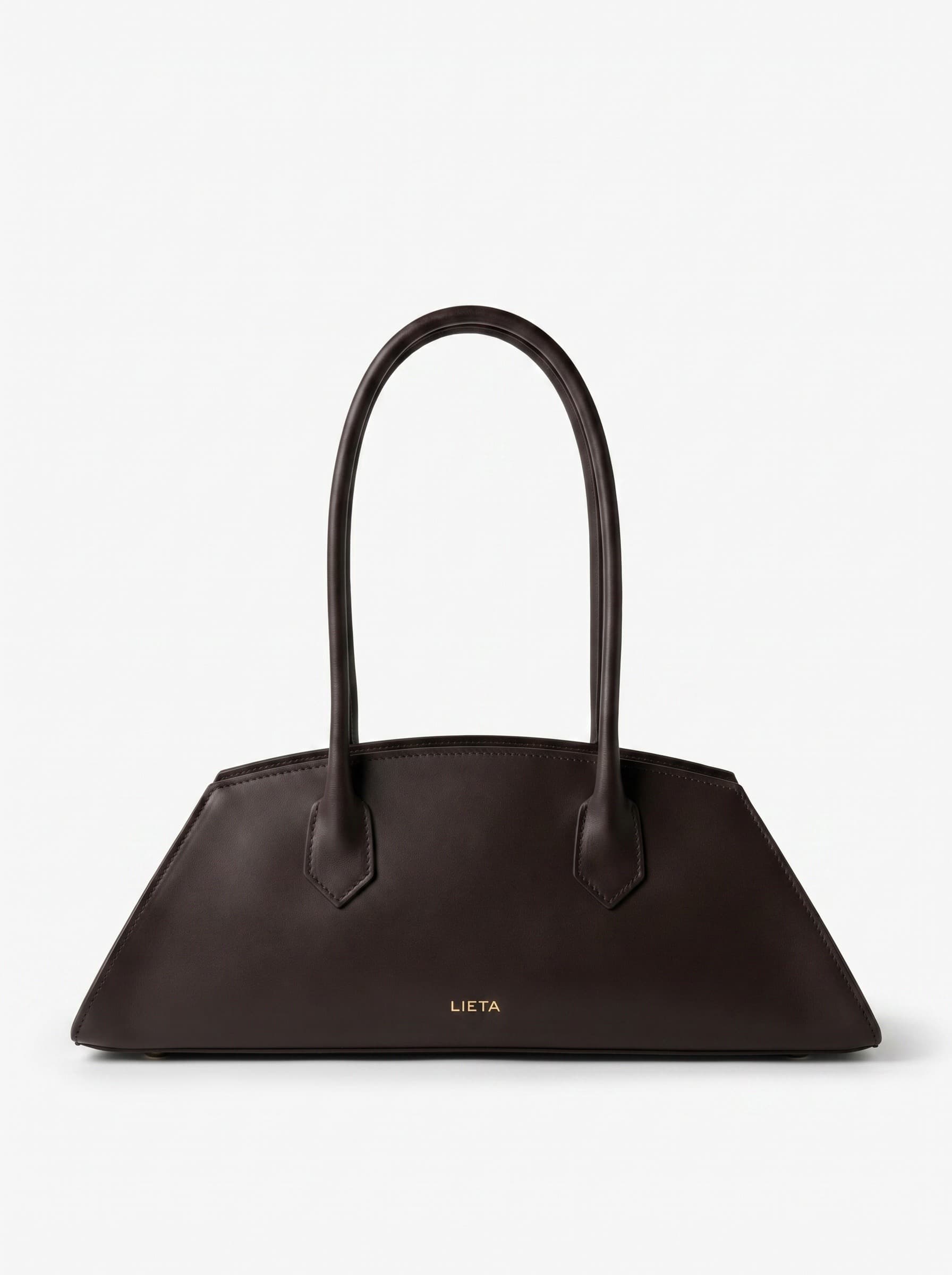
Why does a luxury handbag cost €4,000? The real markup breakdown
A €4,000 handbag isn't €4,000 of materials. The leather costs what the leather costs. The stitching takes the hours it takes. So what makes up the rest of the price tag? We did the maths.
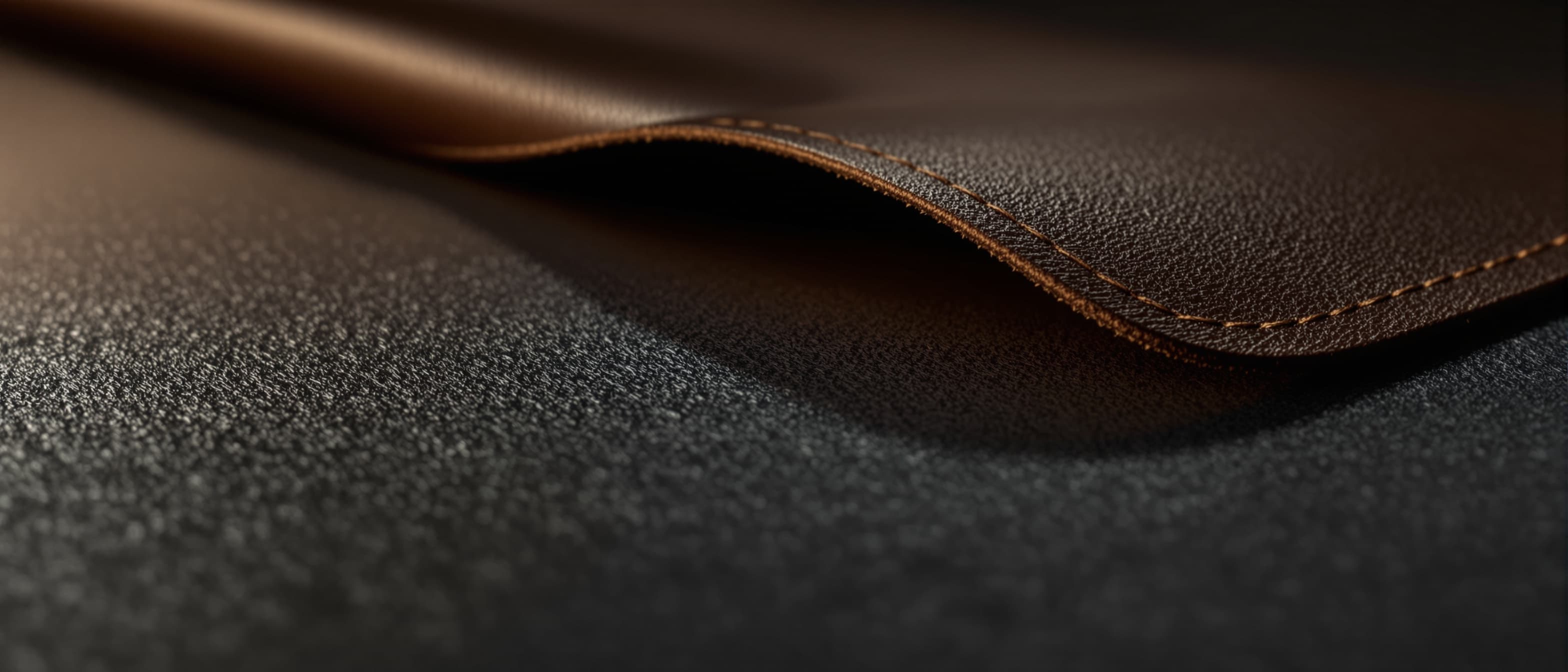
Buttero leather: what it is and why we use it
If you've ever held a serious saddle, a high-end belt, or a properly made boot, you've probably touched Buttero leather without knowing it. Here's what it is, where it comes from, and why it ages so well.