Polène vs LIETA: an honest comparison
Polène is the comparison we get most. Founded by three siblings in Paris in 2016, they took the same insight we did — that the markup on luxury leather goods has detached from the cost of making them — and built a fast-growing French house around it. We respect them. We're also, in honesty, cheaper for very close materials, and we think the reasons are interesting. Here's the comparison, without spin.
By The Maison
Why this comparison is fair
Polène and LIETA are doing roughly the same thing — selling Italian-or-Spanish-made leather bags at prices that don't include a Place Vendôme rent or a Cate Blanchett campaign. Our customers tell us they were looking at Polène first. We were partly inspired by what they proved was possible.
Where the brands differ is in design philosophy, in production location, and in price. So this is not a hit piece. It is a comparison that the kind of customer reading this is genuinely trying to make.
The price gap
Polène's most popular bags — the Numéro Un, the Beri, the Cyme — sit between €370 and €650 depending on size and leather. Their flagship pieces in special leathers reach €750.
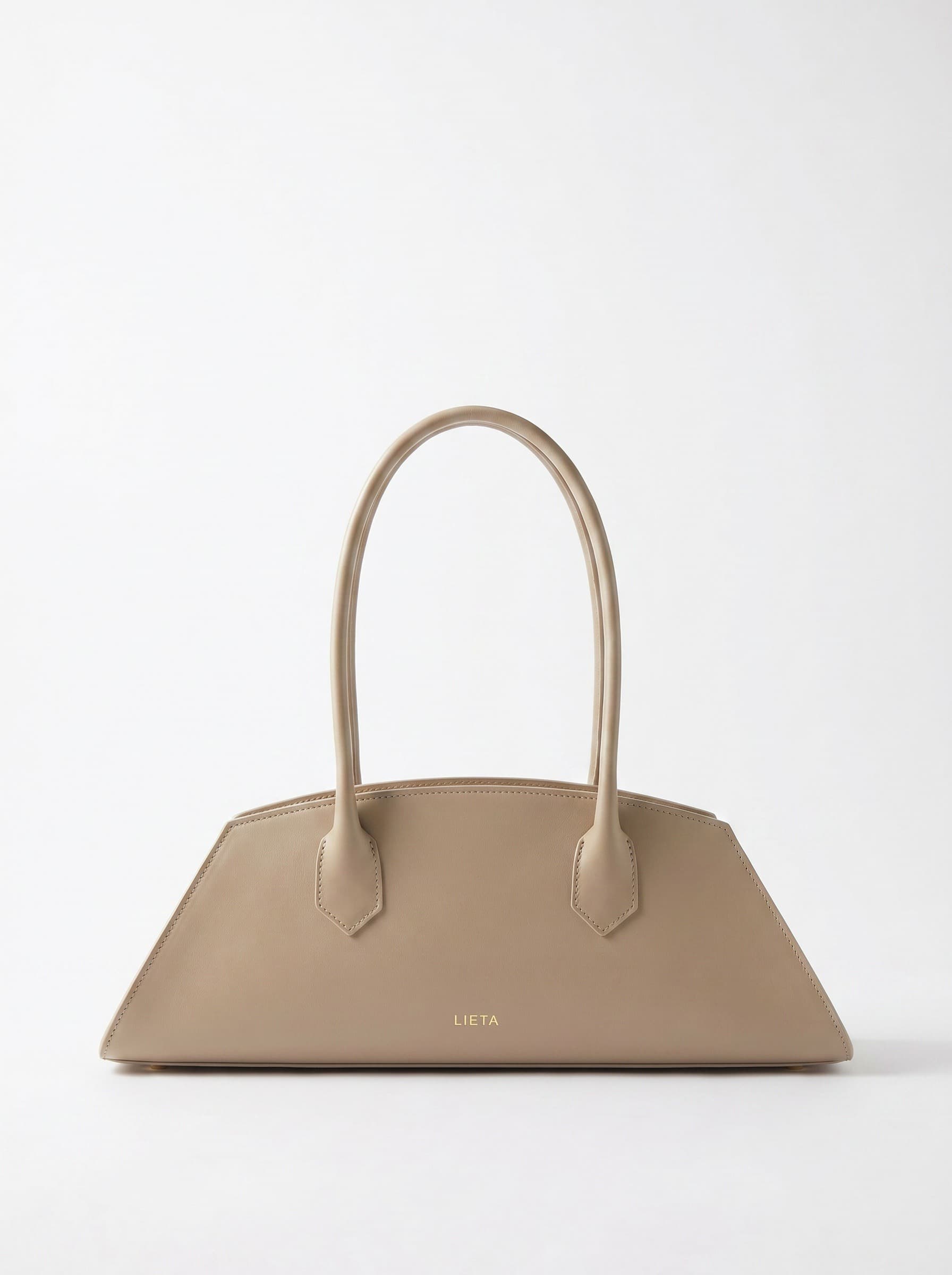
The Lungo at LIETA is €255. Same caliber of full-grain Italian calf leather, comparable hardware, hand-finished edges, a saddle-stitched handle attachment.
The gap is real. We're going to walk through where each line of cost goes.
The leather
Polène uses full-grain calf and lambskin leather, sourced largely from Italian and Spanish tanneries. They publish less specificity than we do about which tanneries — likely because they buy from multiple suppliers across different bag lines.
LIETA uses Walpier Buttero exclusively — full-grain Italian calf, vegetable-tanned in Tuscany. Walpier is a single tannery in Castelfranco di Sotto that has supplied the high end of the leather industry since 1973.
Both are serious leather. Walpier is a step up in specificity and ageing behaviour — it develops a deeper patina than most chrome-tanned calf — but you would not feel a meaningful difference between a Polène bag in good Italian calf and our Lungo in Buttero on day one. After two years, you would.
Where each is made
Polène manufactures in Úbeda, Spain, and in Italy (some of the line). Their Spanish workshop is real and well-regarded — Spain has a centuries-old leather tradition centred around the same vegetable-tanning processes Italy uses. Some Polène pieces are also made in Italy.
LIETA manufactures entirely in Scandicci, Florence — the leather district that also supplies Gucci, Prada, Celine, Saint Laurent, Loewe, and (as we wrote elsewhere) a meaningful share of Hermès production.
Neither answer is wrong. Spanish leather workshops and Italian leather workshops are at comparable levels of craft. But Scandicci is where the most concentrated leather expertise on earth lives, and it shows in small details — the consistency of edge paint, the alignment of the grain on cut panels, the seat of the hardware.
The construction
Polène's bag bodies are machine-stitched, with hand finishing on edges and brand details. This is the same as ours — and the same as the majority of bags from the great houses. Modern industrial machines produce stronger, more consistent seams than hand-stitching at the body of a bag.
Both LIETA and Polène use hand saddle-stitching on handles and structural attachment points. This is the technique where two needles work one waxed thread in opposite directions through the same hole — the stitch that can't unravel from a single broken loop.
Polène uses some plaiting and braiding techniques on their signature Numéro Un line. Beautiful, time-consuming, identifiable. LIETA does not — the Lungo's design language is geometric and clean, more Hermès-Bolide than Polène-Numéro-Un.
The hardware
Polène's hardware is brass, plated in gold or palladium tones. Solid metal, quality plating, no obvious shortcuts.
LIETA's hardware is also solid brass, gold-plated in Arezzo (Tuscany). Riri Swiss zippers. Same level.
There is no meaningful difference here. Both brands take hardware seriously — which means neither uses the thin alloy plate or stamped tin you'll find at the lower end of the market.
Packaging and presentation
Polène's box and packaging are quietly excellent — a printed dust bag with their logo, an unbleached cotton box wrap, a small care card.
LIETA ships in a chocolate-linen presentation box with a grosgrain ribbon, an ivory cotton dust bag, a serial-numbered authenticity card, and a care leaflet. Outside the box is a discreet brown kraft shipper with no visible LIETA branding.
Both are appropriate. Polène's lean toward casual elegance; ours toward formal restraint. Neither is the part of the experience that drives buying decisions, but both are good.
So why are we cheaper?
Three reasons, mostly.
1. Lower brand overhead. Polène is now an established name with retail in Paris, a known fashion-week presence, and growth across major markets. That brand-equity cost — earned over a decade of building — gets added to the price. LIETA is younger and quieter; we don't have that cost yet.
2. Fewer SKUs. Polène carries 8-10 silhouettes across multiple leathers and sizes. Each SKU requires inventory, photography, sample-making, returns processing. LIETA carries one silhouette (The Lungo) in four colourways. Less complexity = lower cost = lower price.
3. Direct-only. Polène opens boutiques (Paris, London, Hong Kong, Tokyo) — each one comes with rent, staffing, and visual-merchandising spend. LIETA is online-only, ships from one Italian warehouse. No retail overhead.
Which one should you buy?
If you want the Polène design language — the rounded, sculptural, French-feminine shapes that have made them famous — Polène. Nothing else looks like them. The Numéro Un and Cyme are genuinely original silhouettes and they earn their price.
If you want a quieter, more east-west, Hermès-aware silhouette at a lower price, with leather from Walpier and stitching from Scandicci — LIETA.
If you're new to leather-good buying and looking for your first serious handbag — try a LIETA first. €255 is a much smaller commitment, you'll learn what good leather feels like in the hand, and you can buy a Polène after if you decide you want a second silhouette. We'd genuinely rather see you do that than rush into a Birkin you don't end up using.
Frequently asked
- Is Polène worth it?
- Yes, for what they are. Polène uses full-grain Italian or Spanish leather, brass hardware, hand-finished edges, and produces in real European leather workshops. At €370-650 they are priced well below the traditional luxury houses (€2,000-5,000) for comparable materials. The Numéro Un and Cyme are genuinely original silhouettes you cannot get elsewhere.
- What's the difference between Polène and LIETA?
- Both use full-grain European leather, brass hardware and hand finishing. Polène produces in Spain and Italy across 8-10 silhouettes, prices €370-650, and uses sculptural rounded French design language. LIETA produces only in Scandicci (Florence), uses Walpier Buttero exclusively, carries one east-west silhouette (The Lungo) in four colourways, prices €255. LIETA is cheaper mostly because of lower brand overhead, fewer SKUs and no physical boutiques.
- Where are Polène bags made?
- Polène manufactures primarily in Úbeda, Spain (their main workshop), with some pieces produced in Italy. Spain has a strong leather tradition centred around vegetable tanning, and Polène's Spanish workshop is well-regarded. Materials are sourced from Italian and Spanish tanneries depending on the line.
- Is LIETA the same quality as Polène?
- The materials, hardware and construction are comparable. LIETA's Walpier Buttero leather develops a deeper patina over time than typical full-grain calf, and Scandicci leather workshops have a slight edge on edge-paint consistency and hardware seating due to the higher concentration of expertise. The day-one feel is similar; the two-year feel slightly favours Buttero.
- If I can't decide between Polène and LIETA, which should I buy first?
- If you've never owned a serious leather handbag, start with LIETA — €255 is a smaller commitment, the leather will teach you what good full-grain feels like, and you can add a Polène afterwards if you want a second, more rounded silhouette. If you already know you want the sculpted Polène look specifically, buy the Polène — nothing else has their design language.
Also from the Journal
Where Hermès bags are actually made (and why ours come from the same district)
Ask where your Hermès Birkin is made and the honest answer surprises most people. It's not Paris. The leather, the cutters, much of the work — they all travel through the same Italian leather district we work with. Here's a tour.
Why does a luxury handbag cost €4,000? The real markup breakdown
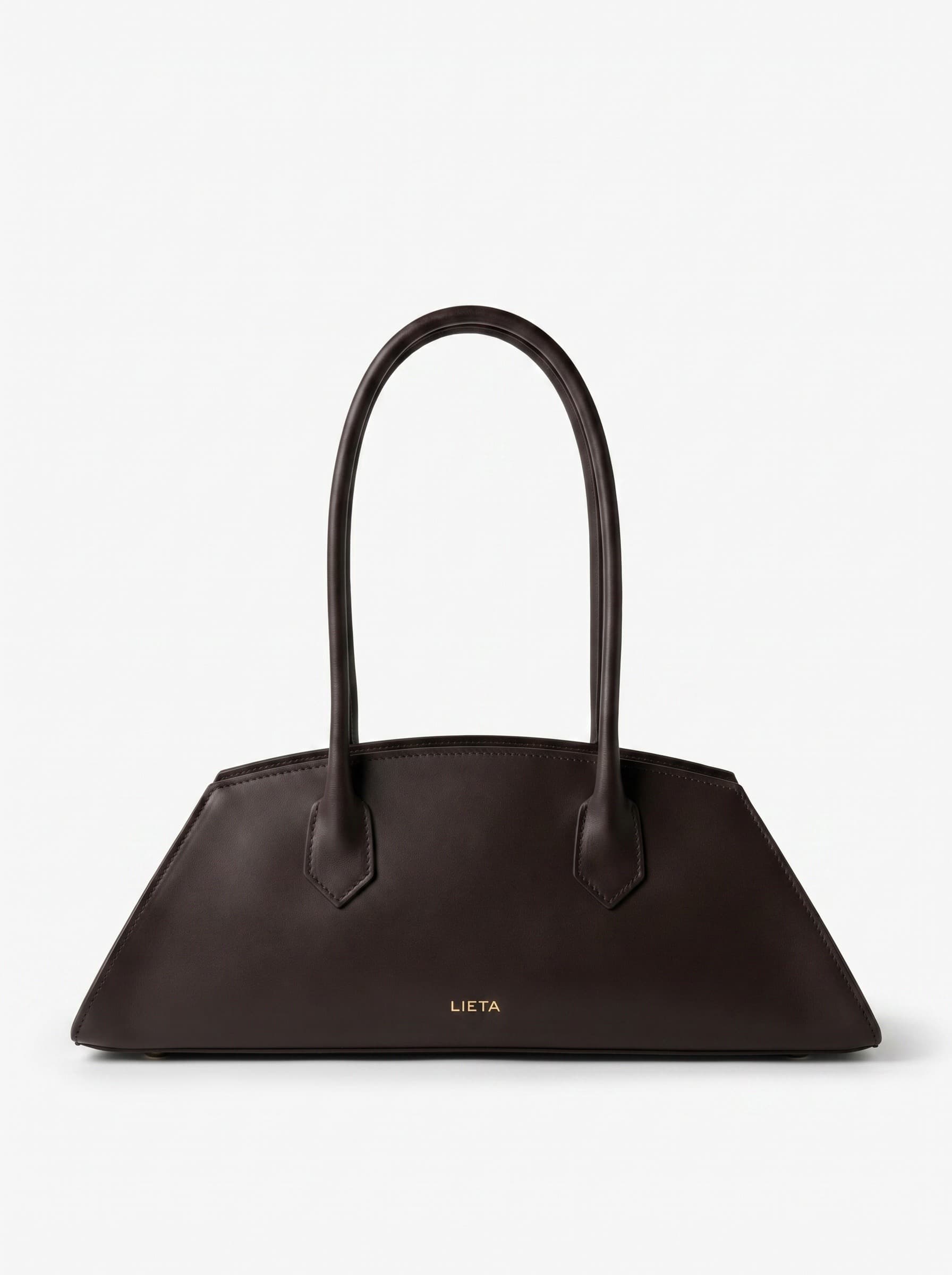
A €4,000 handbag isn't €4,000 of materials. The leather costs what the leather costs. The stitching takes the hours it takes. So what makes up the rest of the price tag? We did the maths.