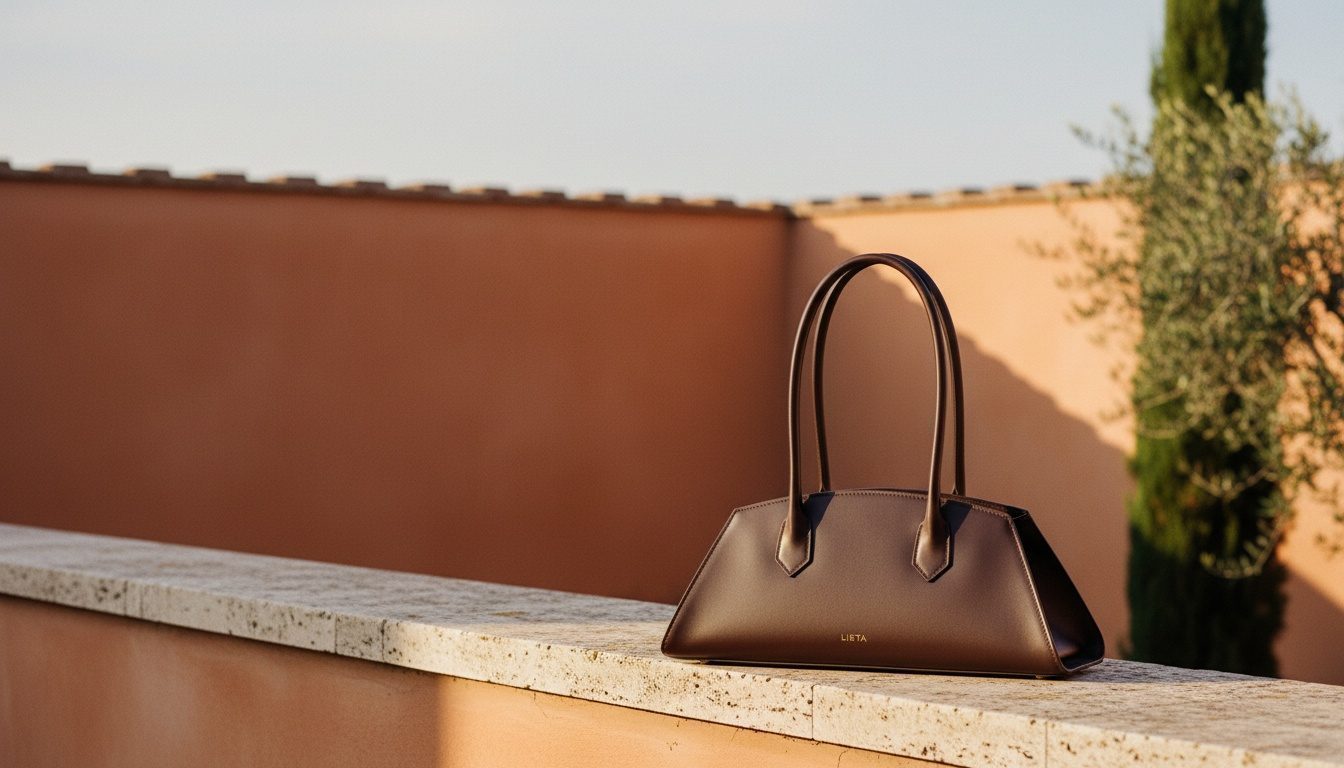
Where the money actually goes
A €4,000 handbag isn't €4,000 of materials. Enter any luxury handbag's retail price below and see the breakdown — materials, labour, real estate, marketing, brand equity, distribution, taxes, operating profit. Based on industry-standard cost ratios per brand tier.
Where the money goes
On a retail price of €5,000
- Materials€150 · 3.0%
Leather, hardware, lining, packaging. The actual physical bag.
- Labour€350 · 7.0%
Cutting, stitching, edge work, finishing. The artisan's time.
- Real estate€700 · 14.0%
Boutique rents (Place Vendôme is €15,000/m²/year), warehouse, headquarters.
- Marketing€750 · 15.0%
Campaigns, fashion week, celebrity contracts, fragrance ads that double as bag ads.
- Brand equity€1,600 · 32.0%
What you pay for the name being famous. Built over decades of advertising and scarcity.
- Distribution€200 · 4.0%
Wholesale margins, department store cuts, payment processing fees.
- VAT & taxes€650 · 13.0%
VAT (19-22% across the EU) and import duties.
- Operating profit€600 · 12.0%
Net operating margin after all costs above. For Kering/LVMH brands this runs 25-40%.
Total production cost (materials + labour)
€500· 10.0%
Everything else above is overhead and brand-equity premium.
Methodology: ratios are central estimates per tier from publicly reported margins (Kering, LVMH annual reports), industry studies (Bain Luxury Goods Worldwide Market Study, BoF State of Fashion), and primary research with Tuscan workshop suppliers. Real bags vary by ±20-30% per line item. The output is an estimate, not an audit.