Birkin alternatives: the honest list — 8 brands actually worth knowing
Let's get the disclaimer out of the way: the Birkin is not really replaceable. It is a specific bag, with specific iconography, and the Hermès waiting list is its own kind of bag. What people actually mean when they search "Birkin alternative" is something more honest — <em>I want a serious leather handbag without spending €5,000, what should I look at?</em> So that's the question this list answers. Eight brands, ranked by craft and value, with the marketing stripped out. We include ourselves at the top of the value tier because that's where we actually sit; we don't include anyone we don't think is honest.
By The Maison
1. The Row — Margaux, Park, Bindle
Country: American design, Italian production (Florence-area workshops). Price: €3,500–€7,000.
If you want the closest thing to Birkin-level craft without the Hermès name, this is the answer. The Olsens' line is the most quietly serious house operating right now. The Margaux is hand-stitched, full-grain Italian calf, with the kind of edge work that takes a serious craftsman an hour per side. The Park is the structured top-handle most aesthetically adjacent to the Birkin.
The catch: this is not a budget alternative. €3,500–€7,000 is Hermès Garden Party territory, and the resale isn't as protective. If you have the money and want the actual craft, here. If you don't, keep reading.
2. Bottega Veneta — Andiamo, Cabat
Country: Italian (Vicenza). Price: €3,500–€6,500.
Bottega is the Italian house that has been quietly out-crafting most of its LVMH/Kering peers for a decade. Daniel Lee's tenure pulled the brand back from logo culture toward the original 1966 thesis: leather, intreccio weave, no monograms. The Andiamo is the most directly Birkin-shaped piece in the current lineup — structured, top-handle, hand-stitched intrecciato.
Sits between The Row and accessible-luxury on price. The most Birkin-adjacent answer if you want an Italian house specifically, not American or French.
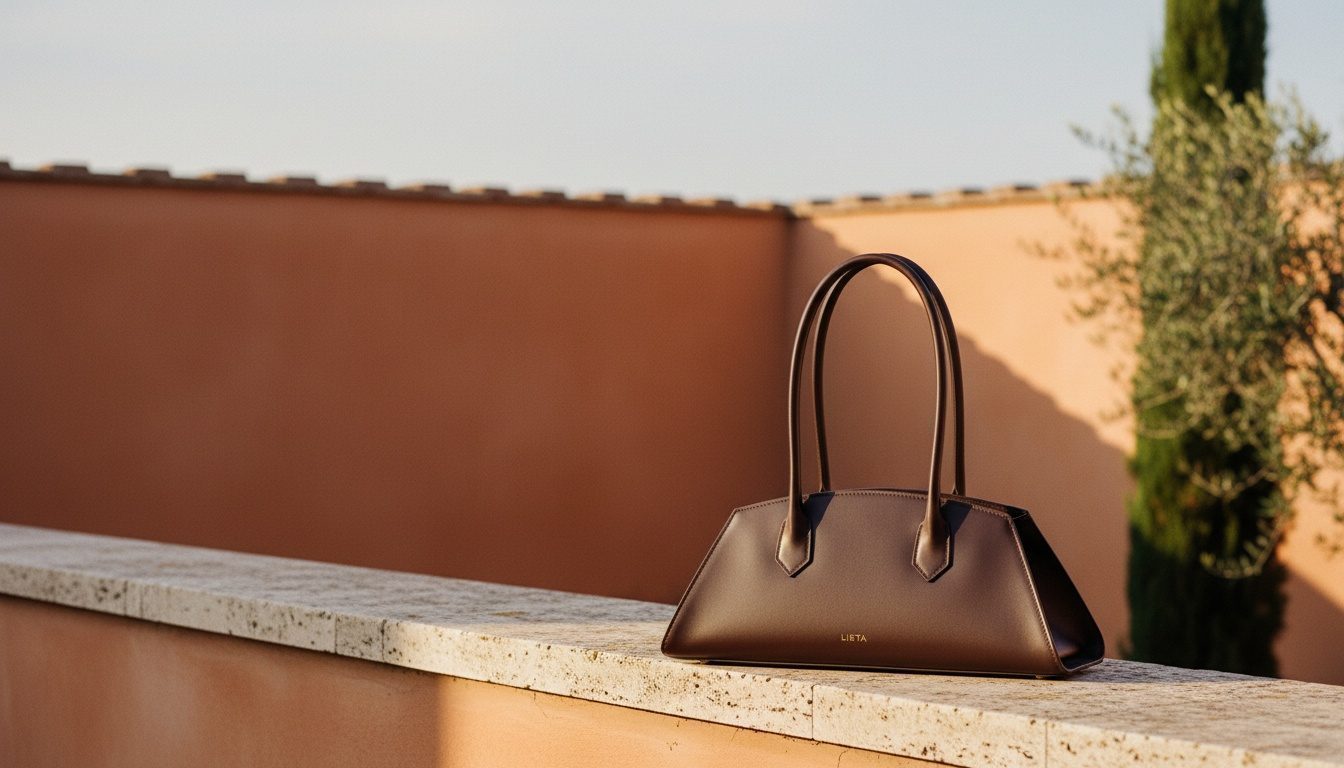
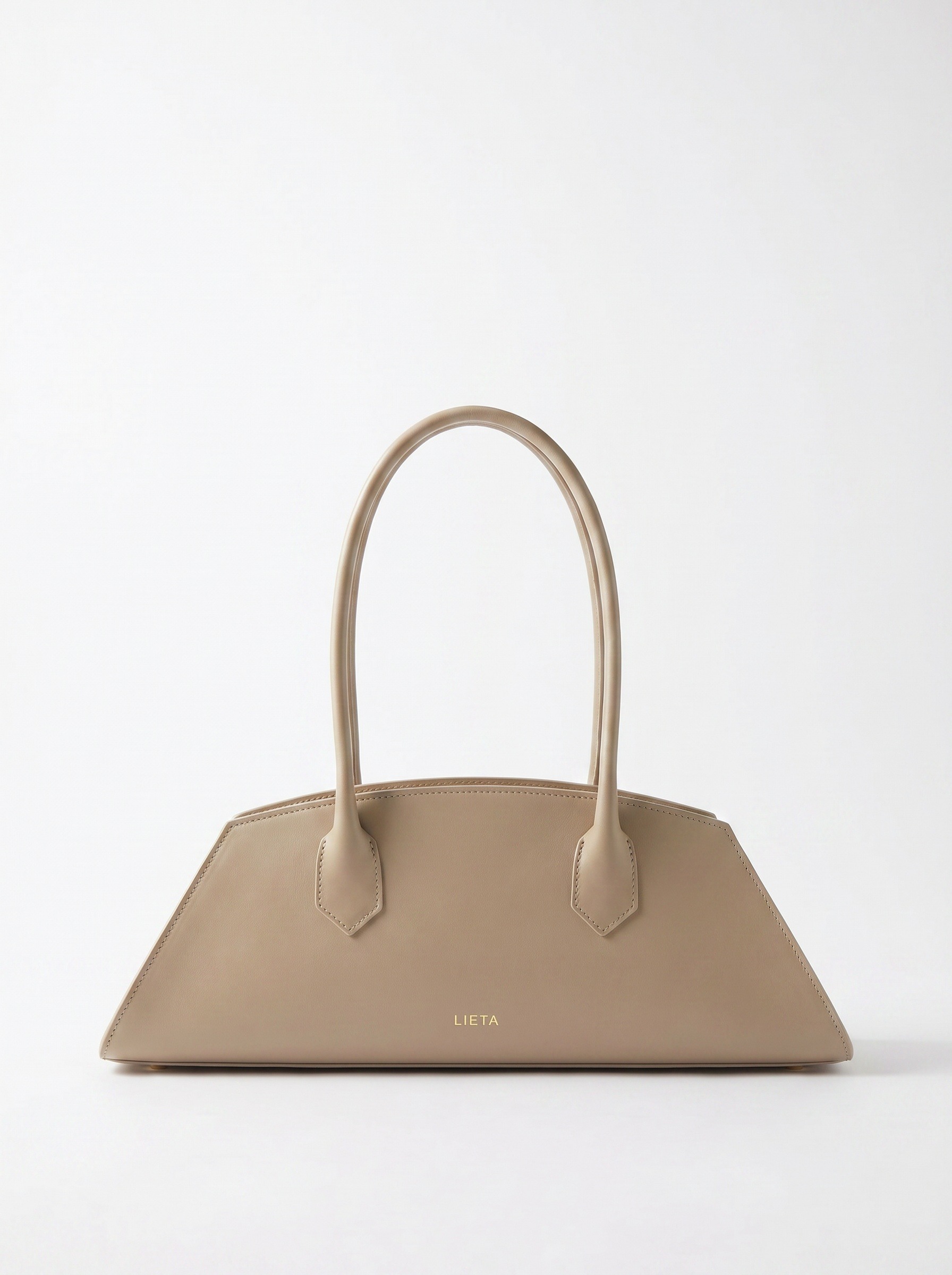
3. LIETA Milano — The Lungo
Country: Italian (Scandicci, Florence). Price: €255.
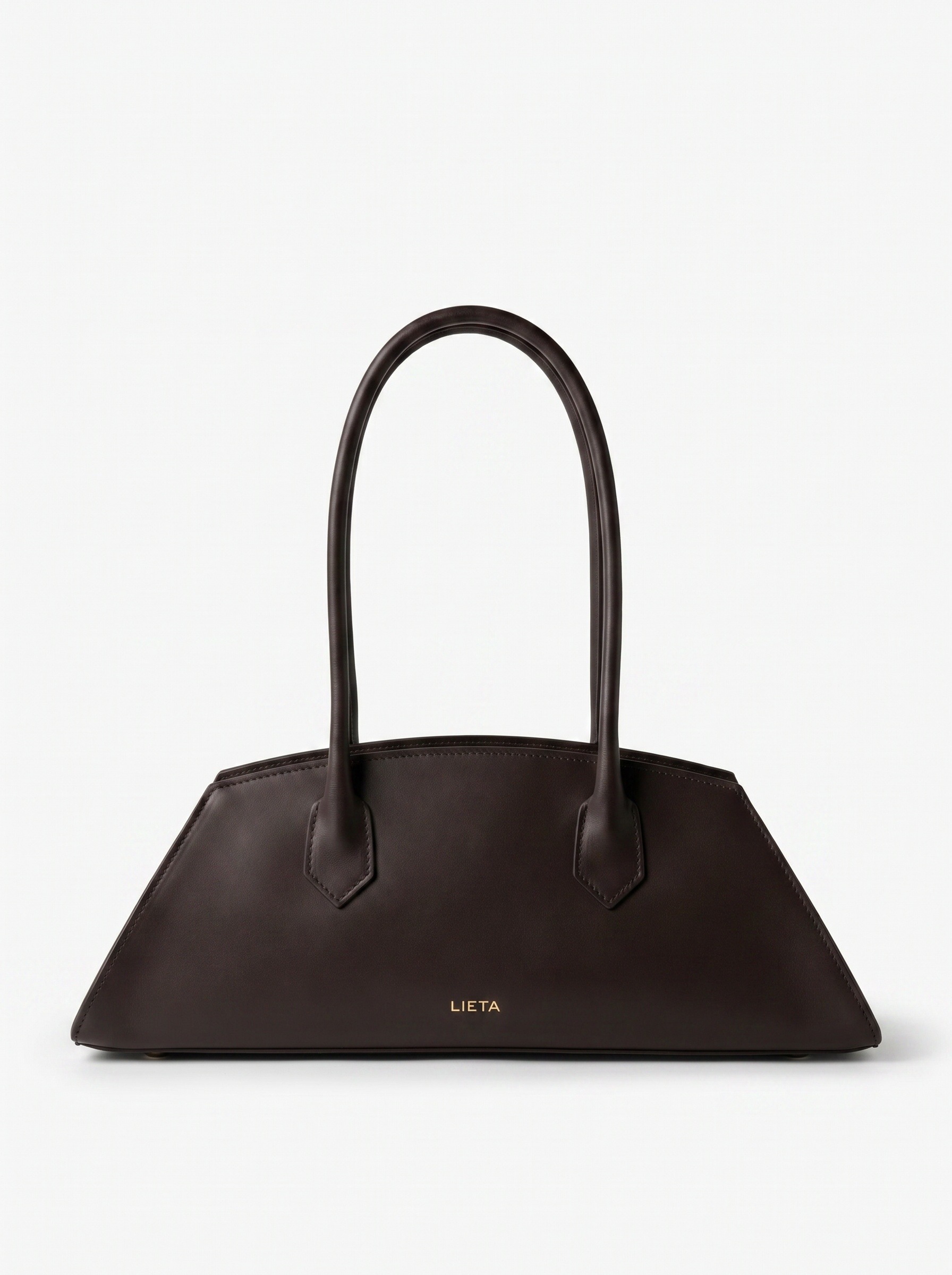
We have to be in this list because we're the most extreme value position on it: full-grain Walpier Buttero Italian calf, vegetable-tanned, hand-finished edges, hand-saddle-stitched handle attachments, made in the same Scandicci district as Gucci, Prada, Saint Laurent, and a meaningful share of Hermès production. Same workshops. Same leather. €255.
Honest caveat: The Lungo is an east-west elongated shoulder bag, not the vertical top-handle silhouette of the Birkin. If you specifically want a Birkin-shaped bag, this isn't it — skip to Demellier or Polène below. If you want a bag that delivers the leather/craft of a Birkin at 5% of the price and you're flexible on silhouette, this is the answer.
4. Polène — Numéro Un, Cyme
Country: French design, Spanish and Italian production. Price: €370–€650.
The most successful accessible-luxury house of the last decade. Founded 2016 in Paris by three siblings. The Numéro Un is a sculptural top-handle in full-grain Italian or Spanish calf, with the rounded French-feminine geometry that has become Polène's signature. Hand-finished, brass hardware, real leather.
Closer to the Birkin silhouette than LIETA in the Numéro Un model. More design-language than craft-language — you buy a Polène because of the shape, not because it's the best leather you can buy at the price. Compares fairly to Demellier and Aspinal at the same tier.
5. Demellier London — Mini Montréal, Tokyo, New York
Country: British design, Spanish production (Úbeda). Price: €350–€500.
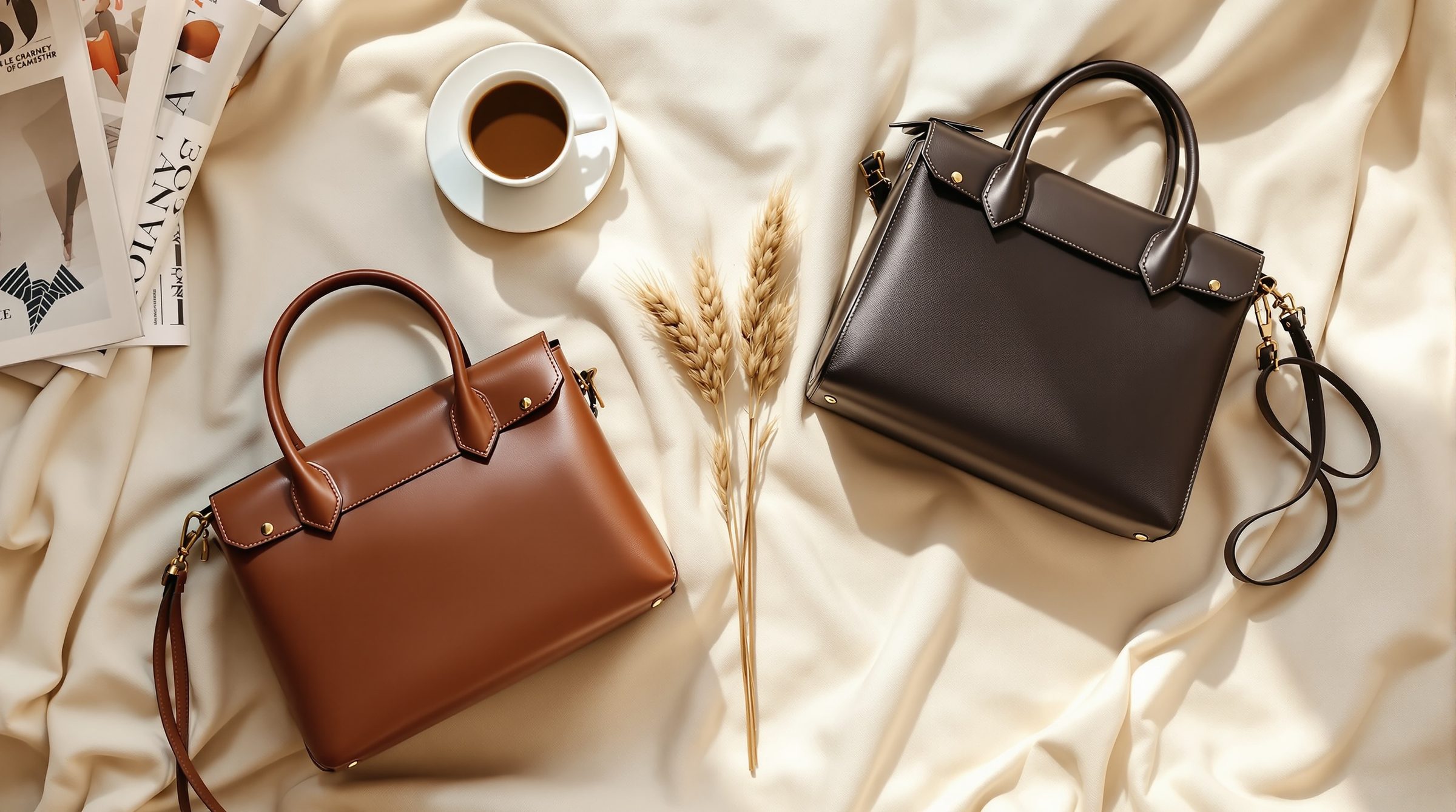
Founded 2015 in London, designed by Mireia Llusia-Lindh, made in family-run leather workshops in Spain. The Mini Montréal is the closest direct-shape Birkin alternative on this list: structured top-handle, top zipper, full-grain calf, gold-tone hardware. If you typed "Birkin alternative" into Google because you wanted that exact silhouette in a smaller and cheaper format, Demellier is the answer.
Strong materials story, slightly more corporate brand voice than Polène. Good resale on the popular models.
6. Aspinal of London — Mayfair, Marylebone
Country: British design, Italian production. Price: €450–€800.
The British equivalent of the accessible-luxury Italian houses — Italian leather, Italian workshops, English design and brand voice. The Mayfair is a structured tote-shoulder hybrid. Saffiano and pebbled-leather options. Hardware is heavier than competitors at this price.
Tends to be overlooked by people searching specifically for "Birkin alternative" because the silhouettes aren't direct copies. Worth knowing if you want British design language with Italian craft underneath.
7. Mansur Gavriel — Mini Bucket, Cloud
Country: American design, Italian production. Price: €395–€700.
The 2014–2017 bucket-bag house. Founded by Rachel Mansur and Floriana Gavriel, vegetable-tanned Italian leather, minimal hardware. Has gone through quality controversies (a stretch around 2018–2020 when the bucket bag's interior started showing wear faster than the price suggested) but the core product has stabilised again.
Direct caveat: the bucket bag is not a Birkin shape. If you want a structured top-handle, skip. If you want the same Tuscan vegetable-tan leather story in a different silhouette, the Mini Bucket is the canonical answer.
8. Cuyana — Mini Tote, System Tote
Country: American design, Italian and Argentine production. Price: €200–€400.
Founded 2013 by Karla Gallardo and Shilpa Shah, San Francisco-based. The "fewer better things" thesis — small line, full-grain calf, Italian and Argentine production depending on the SKU. The Mini Tote is the most popular piece; it's a clean structured shape closer to a Hermès Garden Party than a Birkin.
The least Birkin-shaped on this list, but the most direct value comparison in the under-€400 tier. Honest materials, honest pricing. If you want a simple tote in real Italian leather under €400, this is where you look first.
What to actually look for instead of a logo
Whichever brand you pick — including the ones not on this list — there are four things that decide whether a bag is actually worth the price.
1. Full-grain leather. Not "genuine leather," not "top-grain." Full-grain is the entire top layer of the hide with the natural surface intact. It's the only leather that ages by deepening (patina) rather than degrading. Any bag worth over €200 should be full-grain. If the brand won't tell you, that's an answer.
2. Where it's actually made. Made in Italy can legally mean only the final stitching happened in Italy. Made in Scandicci, made in Vicenza, made in Florence — these are more specific claims that mean the workshop is in the leather district. France's tradition is similar (Pantin, Pierre-Bénite). Spain's workshops in Úbeda and Igualada are real. Anything else, ask.
3. The edge finish. Quality edges are painted in three to four coats, dried and sanded between, with the final coat colour-matched to the leather. Cheap edges are raw or have one thin coat that you can scrape with a fingernail. This is the single fastest tell of a serious bag.
4. The hardware. Solid brass has weight. Cast in Vicenza or Arezzo, plated in gold or palladium tones. Plated thin aluminium feels light and the plating chips after a year. Press a fingernail into the metal — if you leave a mark, walk.
If a brand's marketing has anything to say but "here's the leather, here's where we made it, here's how long it took," you're paying for the marketing. The Birkin alternative isn't a bag. It's a way of buying.
Frequently asked
- What is the best Birkin alternative under €500?
- If you want the same Birkin silhouette (structured top-handle, top zip), Demellier's Mini Montréal at €350–€500 is the closest. If you're flexible on silhouette and want the closest leather and craft to a Birkin at any price, LIETA Milano's Lungo at €255 uses the same Italian Walpier Buttero calf and the same Scandicci workshops that make for the major luxury houses.
- Are Birkin dupes real leather?
- It depends on the price tier. Anything under €100 sold as a "Birkin dupe" on Amazon is almost certainly bonded leather or coated split leather with a printed grain — both are technically leather but neither ages or lasts. Anything from €200 upward (Cuyana, LIETA, Demellier, Polène) is real full-grain calf from Italian, Spanish or Argentine tanneries. Anything advertised as "vegan leather" is plastic — that's not a dupe, that's a different category.
- Why is the Birkin so hard to get?
- Hermès deliberately constrains supply. Production is capped at the workshops, allocation to boutiques is controlled centrally, and store managers will not sell a Birkin to someone who hasn't bought significantly from the brand first. This is a brand-equity strategy — the difficulty of acquisition is part of what justifies the price. Demand has consistently exceeded supply since the early 2000s, which is why pre-owned Birkins routinely sell at 100% or more of original retail.
- What is a Birkin actually worth in materials?
- A standard 30cm Togo-leather Birkin uses roughly 1.8 m² of leather (around €150–€250 wholesale), gold-plated solid-brass hardware (€80–€150), Alcantara-style lining (€20), and 18-25 hours of hand-stitched assembly at top-tier Hermès artisan wages (€500–€800). Total ex-factory cost is approximately €750–€1,200. Retail of €11,000+ reflects brand equity, real estate (Place Vendôme rents), scarcity-driven pricing, and Hermès's industry-leading 40%+ operating margins — not the materials.
- Should I just buy a Birkin if I can afford it?
- If you want the specific cultural object — the silhouette, the iconography, the resale-floor protection, the social signal — buy the Birkin. Nothing on this list will give you those. If you want a serious Italian leather bag and don't care about the specific object, you can get equivalent materials and craft for 5–15% of the price from LIETA, Demellier, Polène, Mansur Gavriel, or Cuyana. Both choices are legitimate; they're answering different questions.
Also from the Journal
What "Made in Italy" actually means (and the loophole most brands use)
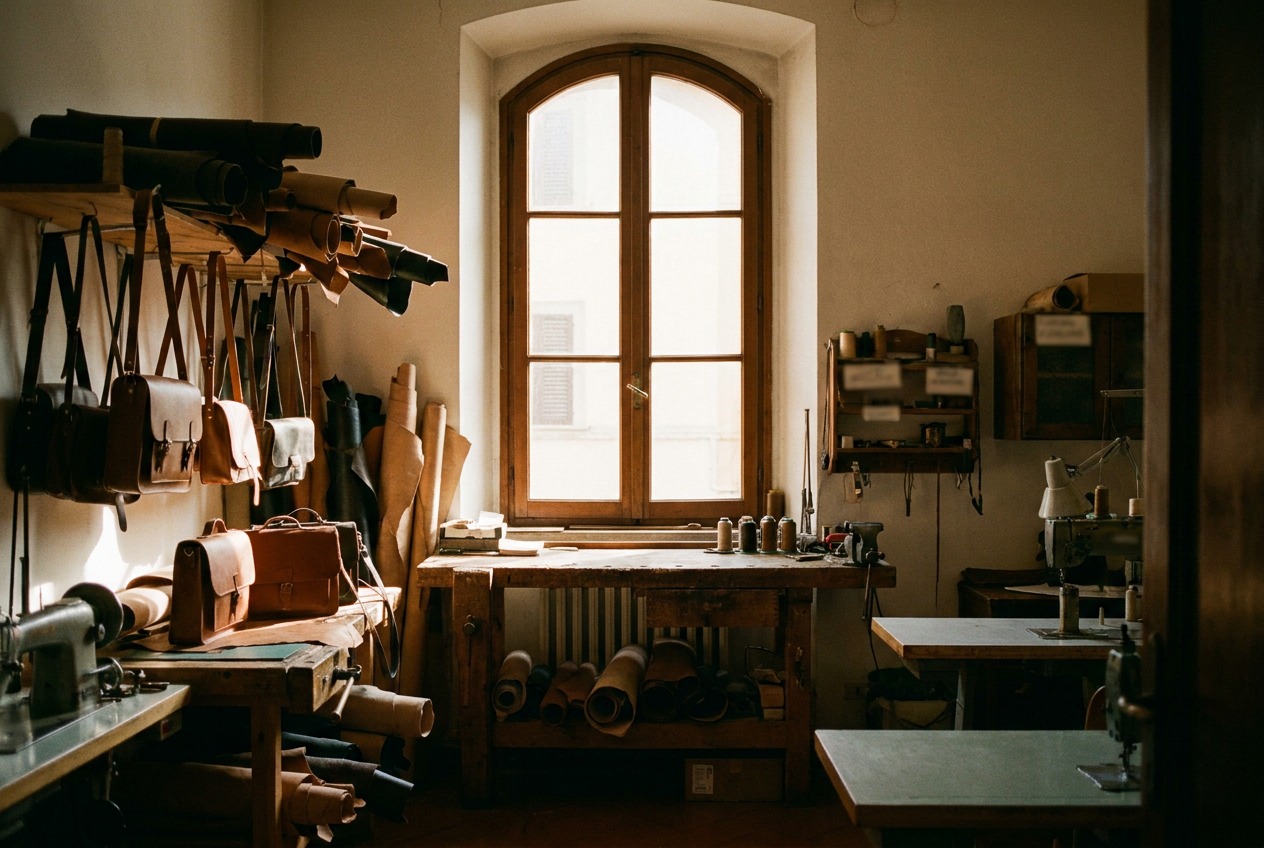
There's a difference between a Made in Italy bag and a bag made in Italy. The legal definition is much looser than most people assume. Here's what the label actually guarantees, what it doesn't, and how to ask a brand the right question.
Why does a luxury handbag cost €4,000? The real markup breakdown
A €4,000 handbag isn't €4,000 of materials. The leather costs what the leather costs. The stitching takes the hours it takes. So what makes up the rest of the price tag? We did the maths.
Polène vs LIETA: an honest comparison
Polène is the brand everyone names when they want "accessible luxury" — €450-650 for a beautifully designed handbag with proper materials. We get asked how we compare. So here it is, side by side, with no marketing.