Cuyana vs LIETA: an honest comparison
Cuyana is the brand US customers compare us to most often. Founded in San Francisco in 2011 by Karla Gallardo and Shilpa Shah, they popularised a sentence we also believe in: <em>fewer, better things</em>. They make clean, unbranded leather goods at prices well below traditional luxury — and they ship to Europe now too. We respect them. We are also genuinely cheaper for materials that are at least comparable, and the reasons are worth understanding. Here is the comparison, without spin.
By The Maison
Why this comparison is fair
Cuyana and LIETA are doing very similar things — selling minimalist, unbranded leather bags at prices that do not include the rent of a flagship boutique or a celebrity contract. Our customers regularly say they were looking at the Cuyana Classic Easy Tote before they found us. We were partly motivated by the same insight Cuyana built their company on.
Where we differ is in production country, in leather sourcing, and in price. So this is not a takedown. It is the comparison the kind of customer reading this is actually trying to make.
The price gap
Cuyana's popular leather bags — the Classic Easy Tote, the System Tote, the Mini Bowl Bag — sit between $228 and $498 depending on size and leather. Their flagship pebbled-leather large totes reach $548.
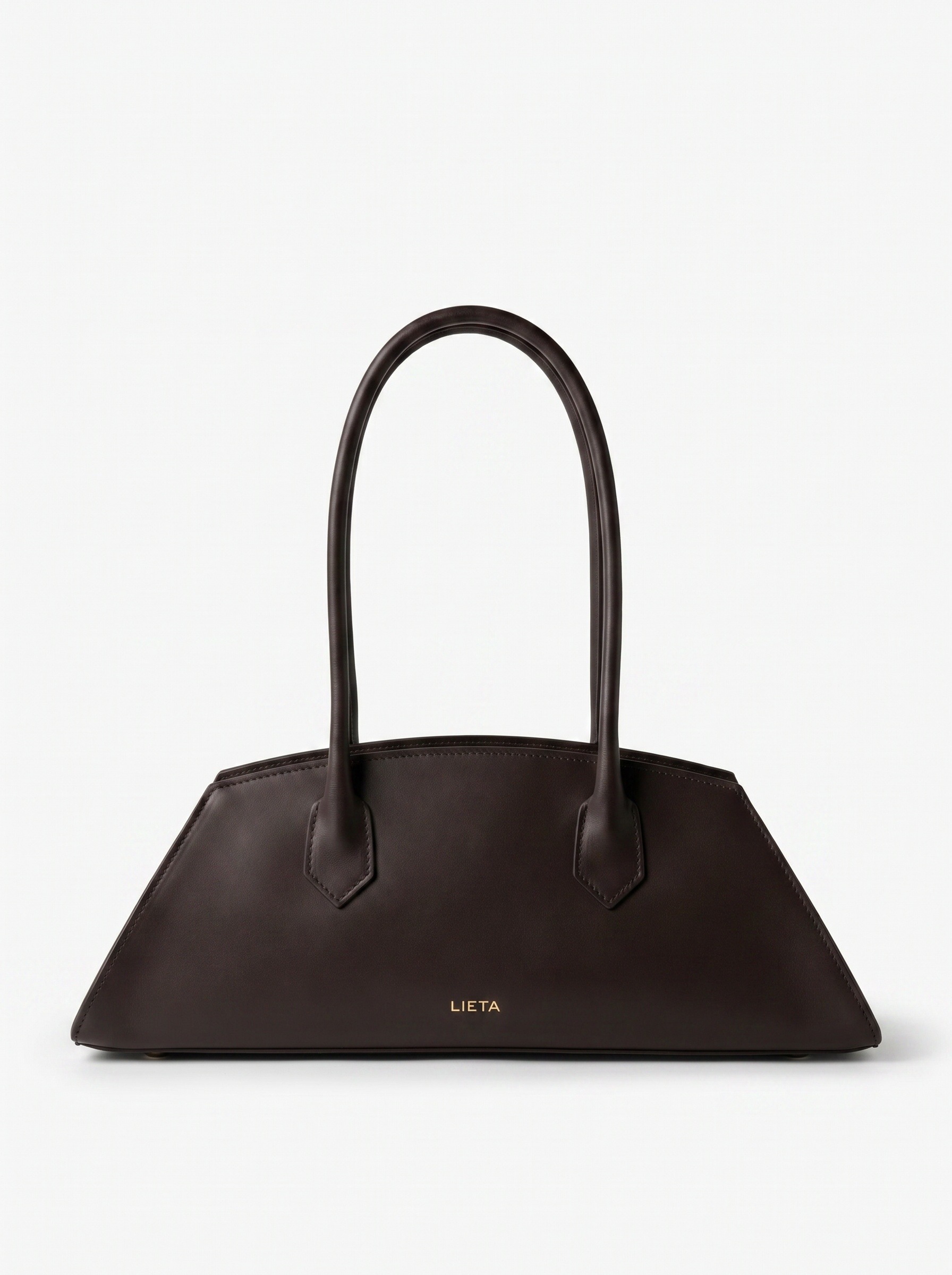
The Lungo at LIETA is €255 (~$275 at current rates). Full-grain vegetable-tanned Italian calf, comparable hardware, hand-finished edges.
We are roughly the same price as Cuyana's medium pieces, and meaningfully cheaper than their large totes. The leather and the workshop story are different — that's where it gets interesting.
The leather
Cuyana uses pebbled and saffiano leather from Argentine tanneries, supplemented with some Italian leather on specific lines. Argentina has a real leather tradition — saddle and equestrian work going back to the Pampas economy — and Cuyana's pebbled finish is genuinely well-executed.
LIETA uses Walpier Buttero exclusively — a full-grain Italian calf, vegetable-tanned in Castelfranco di Sotto in Tuscany, used by the high end of the leather industry since 1973.
Both are real, full-grain leather. The differences are: tanning (vegetable vs mostly chrome), finish (smooth waxed vs pebbled), and ageing behaviour (Buttero develops a deeper, more uneven patina over years; pebbled chrome-tan stays closer to its day-one appearance). Which you prefer is taste, not quality.
Where each is made
Cuyana's leather goods are manufactured in Argentina (their original supply chain), China (some lines, openly disclosed), and Italy (a smaller portion). Cuyana has been transparent about this on their website for years, which is unusual and admirable. Their Argentine workshops are real workshops, not the worst-case Asian-mall stereotype most US shoppers picture when they hear "made overseas".
LIETA manufactures entirely in Scandicci, Florence — the Tuscan leather district that supplies Gucci, Prada, Celine, Saint Laurent, Loewe, and a meaningful share of Hermès.
Neither is wrong. Argentine leather workshops are competent and Cuyana is honest about its supply chain. But Scandicci is where the most concentrated leather expertise on earth lives, and the small details — edge paint consistency, grain alignment, hardware seating — reflect that.
The construction
Cuyana's bag bodies are machine-stitched, with hand-finished edges and trim. Standard for the category — and standard at the great houses too. Modern industrial seams are stronger and more consistent than hand stitches at the body of a bag.
LIETA uses the same machine-stitched body. Where we add hand work is on saddle-stitched handle attachment points — two needles working one waxed thread in opposite directions through the same hole, the stitch that cannot unravel from a single broken loop. Cuyana does not publicise hand saddle-stitching as part of their construction.
The bodies are comparable. The structural attachment points are where LIETA invests one extra step that Cuyana does not.
The hardware
Cuyana's hardware is solid metal with quality plating — they don't publish the alloy specification, but the feel is appropriate for the price.
LIETA's hardware is solid brass, gold-plated in Arezzo (Tuscany). Riri Swiss zippers throughout.
Both serious. Riri zippers are a step up — Riri is one of two zipper makers (the other is Lampo) used by Hermès, Chanel and Prada. Cuyana does not name their zipper supplier.
Packaging and presentation
Cuyana ships in an unbleached cotton dust bag inside a kraft mailer. Clean, low-waste, on-brand for their San Francisco minimalist register.
LIETA ships in a chocolate-linen presentation box with a grosgrain ribbon, an ivory cotton dust bag, a serial-numbered authenticity card, and a care leaflet. The outer shipper is discreet brown kraft with no visible LIETA branding.
Cuyana's packaging is appropriately Californian. Ours leans more European-formal. Neither drives the buying decision, but both are competent.
So why are we cheaper on the larger comparison?
Three reasons.
1. Tannery vs region. Vegetable-tanned Italian calf from Walpier costs less per square metre at LIETA's volumes than Italian pebbled calf for the same volumes — the small Italian portion of Cuyana's range is competing on price with large-volume European pebbled leather supply. Our single-tannery, single-leather model is operationally simpler.
2. Fewer SKUs. Cuyana carries 25-plus leather styles across multiple silhouettes, monogramming, sizes and colours. Each SKU requires inventory, photography, sample-making, returns processing. LIETA carries one silhouette (The Lungo) in four colourways. Less complexity = lower cost.
3. No US retail. Cuyana operates real physical stores in San Francisco, New York, Los Angeles, Palo Alto — and these come with rent and staffing built into the price. LIETA is online-only, ships from one Italian warehouse. No retail overhead.
Which one should you buy?
If you want a large soft pebbled-leather tote for daily commuting and you don't want a visible patina story — Cuyana. Their System Tote and Classic Easy Tote are well-loved for a reason, and their monogramming programme is one of the best in the category.
If you want a quieter, structured, Hermès-aware east-west silhouette with Italian vegetable-tanned leather that ages visibly and is made in Scandicci — LIETA.
If you're new to serious leather and looking for your first one — a LIETA first lets you learn what Italian vegetable-tanned full-grain feels like, then you can add a Cuyana tote as a softer everyday companion if you want one. Both can live in the same wardrobe.
Frequently asked
- Is Cuyana worth it?
- Yes, for what they are. Cuyana uses real full-grain leather, solid hardware, and produces in real workshops in Argentina, Italy and (transparently) some Chinese workshops. At $228-$498 they are priced well below traditional luxury (€2,000+) for comparable materials. Their monogramming programme and 'fewer better things' positioning have built genuine customer loyalty since 2011.
- What's the difference between Cuyana and LIETA?
- Cuyana produces in Argentina, Italy and China across 25+ leather styles, prices $228-$548, and specialises in pebbled chrome-tanned leather totes. LIETA produces only in Scandicci (Florence), uses Walpier Buttero (vegetable-tanned full-grain Italian calf), carries one silhouette (The Lungo) in four colourways, and is priced €255. LIETA is cheaper on the larger pieces mostly because of lower SKU complexity and no physical retail.
- Where are Cuyana bags made?
- Cuyana's leather goods are made in Argentina (their primary workshops), Italy (a smaller share of the line), and China (openly disclosed on their website for the relevant SKUs). They have been unusually transparent about country of origin since the company was founded in 2011.
- Is Cuyana leather good quality?
- Yes. Cuyana uses real full-grain leather — primarily pebbled and saffiano from Argentine tanneries, with some Italian leather on specific lines. It is chrome-tanned for the most part, which means it stays closer to its day-one appearance than vegetable-tanned leather (like LIETA's Walpier Buttero), which develops a deeper patina with use.
- If I can't decide between Cuyana and LIETA, which should I buy first?
- If you've never owned a vegetable-tanned full-grain Italian bag, start with LIETA — €255 teaches you what good Italian leather feels like and develops over time. Add a Cuyana tote later as a softer everyday option if you want a second silhouette. If you specifically want a large pebbled-leather work tote with monogramming, buy Cuyana — that's exactly what they do best.
Also from the Journal
Birkin alternatives: the honest list — 8 brands actually worth knowing
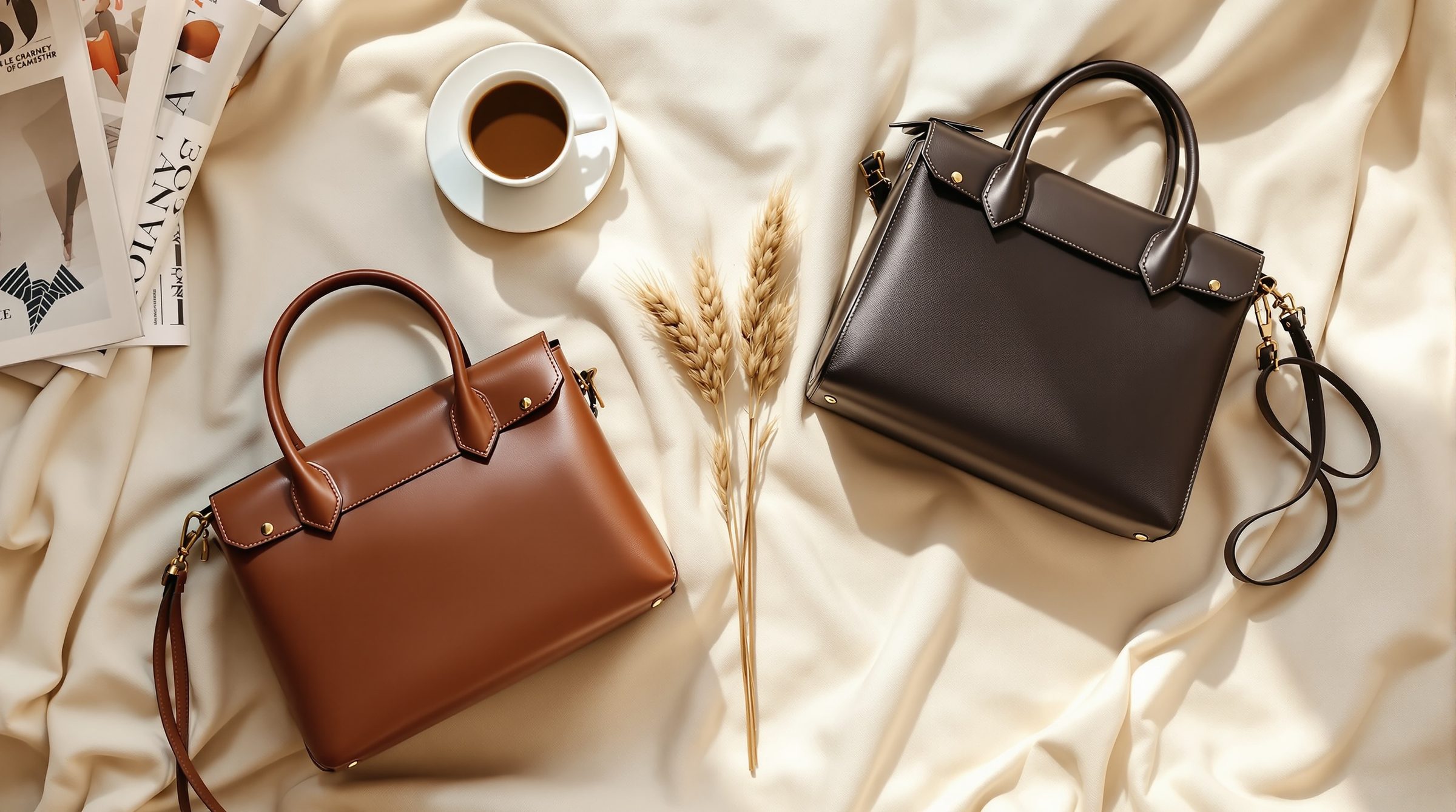
If you've searched "Birkin alternative" you've already found a hundred listicles. Most of them are SEO sludge — bags ranked by Amazon affiliate commissions, not by leather. This is the real list. Eight brands that genuinely give you the craft for less, ranked by materials, country of production, and what you'd pay if there was no logo on the front.
What "Made in Italy" actually means (and the loophole most brands use)
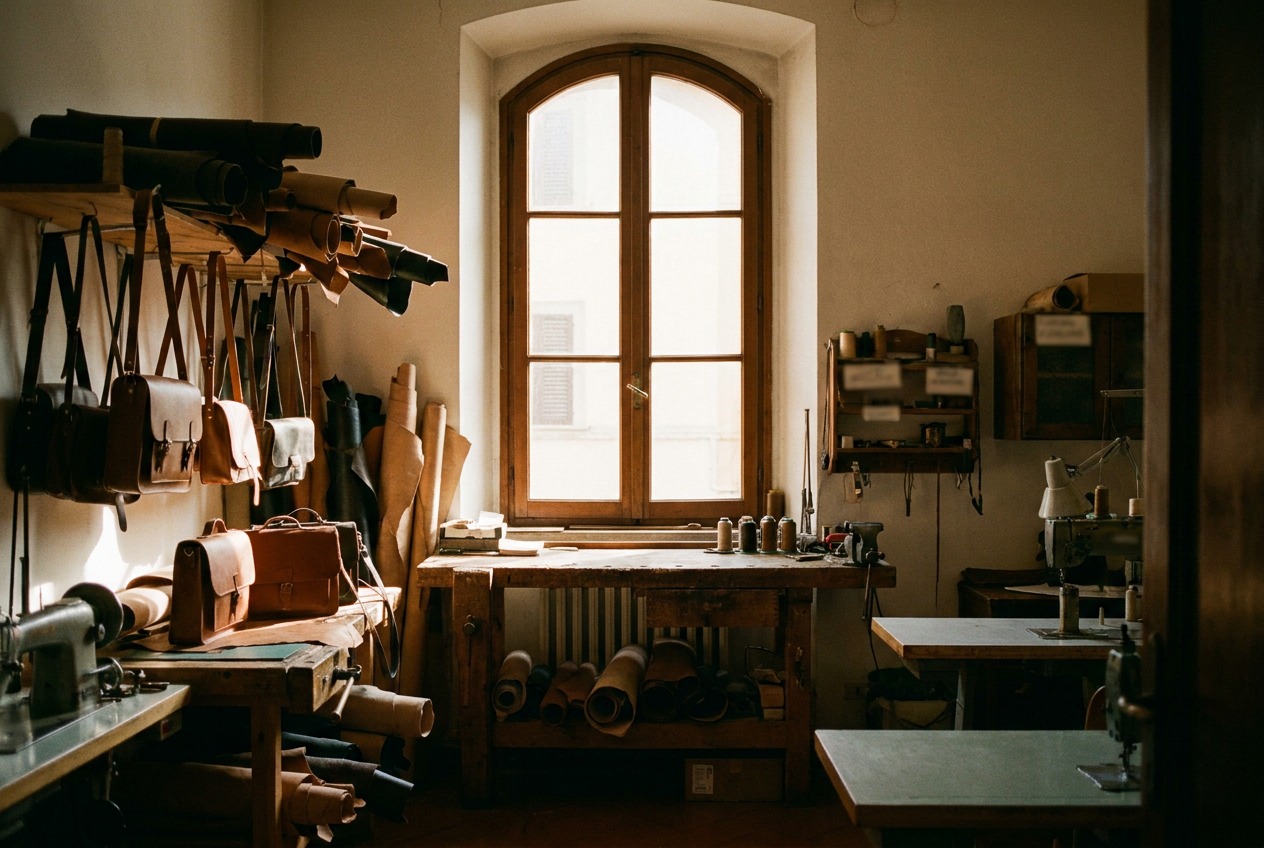
There's a difference between a Made in Italy bag and a bag made in Italy. The legal definition is much looser than most people assume. Here's what the label actually guarantees, what it doesn't, and how to ask a brand the right question.
Why does a luxury handbag cost €4,000? The real markup breakdown
A €4,000 handbag isn't €4,000 of materials. The leather costs what the leather costs. The stitching takes the hours it takes. So what makes up the rest of the price tag? We did the maths.