Mansur Gavriel quality: a deep dive — what you actually get for €395
Mansur Gavriel sold out the original bucket bag in less than a week in 2013. Rachel Mansur and Floriana Gavriel, two designers in their twenties working out of a New York apartment, had hit on something genuinely new: a logo-free, sculpturally simple Italian-made bag at a price between high-street and luxury. A decade later they are an established house. Their customers love them. And we get asked, constantly, how a LIETA compares to a Mansur Gavriel — particularly on the leather. So here is the deep dive, without spin.
By The Maison
What Mansur Gavriel got right
Before any criticism: Mansur Gavriel made a generation of women take leather seriously again without paying €3,000 for the privilege. The original bucket bag was made in Italy, in real Tuscan workshops, in real vegetable-tanned calf. The shape was excellent — clean, unbranded, instantly recognisable but in a way that did not depend on a monogram. The red interior detail was inspired. They reset the conversation about what €495 could buy you.
Most accessible-luxury bag brands since 2014 — Polène, Demellier, Cuyana's later lines, and yes, us — exist partly because Mansur Gavriel proved the market was there.
The current price range
Mansur Gavriel today carries a much wider range than the original three pieces. Their bestsellers sit between €375 and €695: the Classic Bucket at €575, the Mini Bucket at €475, the Mini Mini Sun Bag at €395, the Tasche tote at €595, the Soft Lambskin Mini Sun at €695.
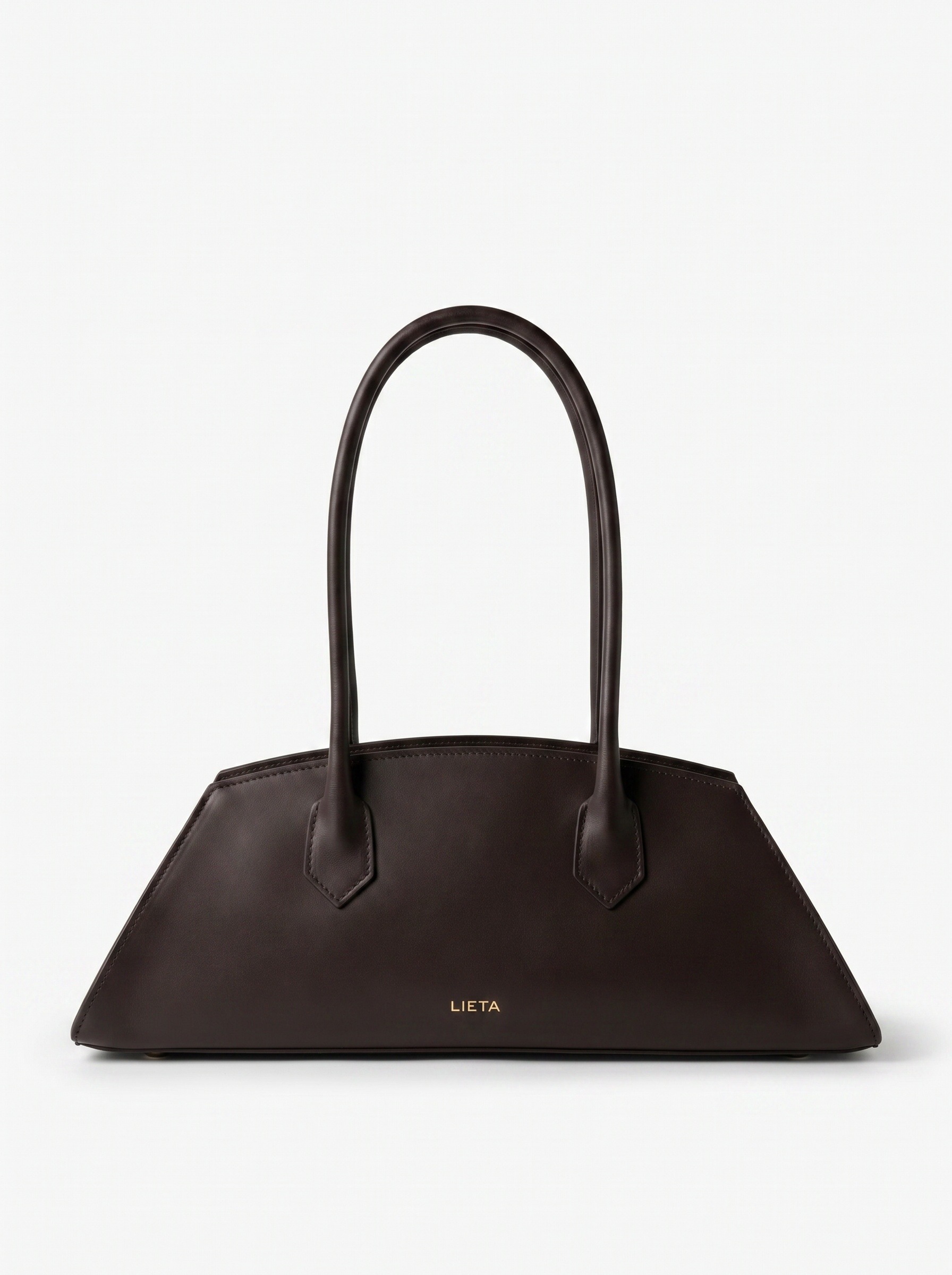
The Lungo at LIETA is €255. Vegetable-tanned full-grain Italian calf (Walpier Buttero), made in Scandicci, Florence.
So we are roughly two-thirds the price of their smallest popular piece, and about a third the price of their lambskin Mini Sun. The cheaper end of Mansur Gavriel is fairly close to ours; the structured leather pieces are markedly more expensive.
The leather — vegetable-tanned calf
This is where the comparison is most relevant. Mansur Gavriel uses vegetable-tanned calf leather from Italian tanneries on their classic bucket and Sun bag lines. They do not publish the specific tannery, but the leather is real, full-grain, and matures in a way chrome-tanned leather does not.
LIETA uses Walpier Buttero exclusively — also vegetable-tanned full-grain Italian calf, from the Walpier tannery in Castelfranco di Sotto in Tuscany. Walpier has supplied the high end of the leather industry since 1973.
Both are real Italian vegetable-tanned calf. Whether you would feel a meaningful difference depends on the specific lot — Italian veg-tan calf is a category, not a brand, and there is variability within it. Walpier is a step up in consistency and specificity but the day-one feel of a Mansur Gavriel Classic Bucket in vegetable-tanned calf is genuinely good. After two years of use, Buttero will likely show a more complex patina, but "likely" is doing real work in that sentence — a well-cared-for Mansur Gavriel ages beautifully too.
The leather — lambskin and saffiano
Mansur Gavriel has expanded into lambskin (Soft Lambskin line) and Saffiano (some interiors and accessories). The lambskin is meaningfully softer than veg-tan calf, prone to scratching, and develops far less character with age — it stays close to its day-one appearance, eventually showing wear rather than patina. This is consistent with how lambskin behaves everywhere, including at Chanel.
We do not use lambskin in the current LIETA line. Our argument is that vegetable-tanned calf is more honest for an accessible-luxury price point — it patinates rather than wears.
Where Mansur Gavriel is made
Mansur Gavriel is manufactured in Italy — primarily in Tuscany, in real workshops in the Florence-Pisa-Arezzo triangle. They have been consistent about this from the beginning.
LIETA is manufactured in Scandicci, Florence specifically — the same district that supplies Gucci, Prada, Celine, Saint Laurent, Loewe, and a portion of Hermès. We have written elsewhere about why Scandicci is the concentration point.
Both are Made in Italy in a serious sense. Mansur Gavriel does not name specific workshops, which means we cannot know whether they share supply with us. They may; they may not. The honest answer is: it doesn't matter much. Tuscan leather workshops at the level Mansur Gavriel uses are at a comparable level to ours.
The construction
Mansur Gavriel's Classic Bucket has a machine-stitched body, with hand-finished edges, hand-applied interior lining, and hand-set hardware. The drawstring on the bucket is a single piece of full-grain leather that runs through saddle-stitched holes in the body. The stitch count and tension are consistent, the edges are painted (not folded), and the bucket bottom is reinforced with a sewn-in stiffener.
LIETA's Lungo body is also machine-stitched. We add hand saddle-stitching at the handle attachment points — two needles working one waxed thread in opposite directions, the stitch that cannot unravel from a single broken loop. Edges are painted (chocolate edge paint, four coats, hand-burnished).
Construction-wise, both bags are above what you'd find at the under-€200 leather-good market and indistinguishable in feel from the entry-level construction at the great houses. Neither is fully hand-stitched throughout (essentially nothing under €5,000 is), and that's fine.
The hardware
Mansur Gavriel uses brass and nickel-plated brass hardware. They do not publish the specific zipper supplier. Hardware feel is solid, consistent with the price.
LIETA uses solid brass, gold-plated in Arezzo (Tuscany), with Riri Swiss zippers throughout. Riri is one of two zipper makers (the other is Lampo) used by Hermès, Chanel and Prada.
Hardware is roughly comparable in feel. Riri zippers are a marginal step up over unbranded brass-pull zippers. Whether you notice depends on how often you open and close the bag.
The shape question
Mansur Gavriel's strength is their shape vocabulary. The Classic Bucket is one of the most recognisable bag silhouettes of the last fifteen years — sculptural, drawstring, geometric, instantly identifiable without a logo. The Sun bag introduced a clean half-moon that has been imitated widely. The Tasche tote and the Soft Lambskin Mini are also clearly identifiable as Mansur Gavriel without needing the brand name.
The Lungo is a different conversation — an east-west top-handle silhouette in the Bolide/Constance register, Hermès-aware rather than Mansur Gavriel-adjacent. Different aesthetic; not interchangeable. You would not pick The Lungo over a Mansur Gavriel Mini Bucket because one is better than the other — they are doing different visual things.
So why are we less expensive?
Three reasons, mostly.
1. Lower brand overhead. Mansur Gavriel is a decade in. They have wholesale relationships with Net-A-Porter, Saks, Selfridges, and their own SoHo store. Each retail and wholesale channel adds margin into the price. LIETA is direct-only and four years old; we haven't built that overhead yet (and don't intend to).
2. Fewer SKUs. Mansur Gavriel carries roughly 15 silhouettes across multiple leathers, colours, and sizes — easily 80+ active SKUs. LIETA carries one silhouette in four colourways. Less complexity = lower cost.
3. Single tannery. Buying volume from one tannery (Walpier) consistently is cheaper per square metre than buying smaller lots from multiple tanneries across leather types.
Which one should you buy?
If you want a Mansur Gavriel-coded silhouette — bucket, Sun, drawstring — buy Mansur Gavriel. Their shape language is original and theirs. Nothing else looks the same. The Mini Mini Sun at €395 and the Mini Bucket at €475 are the two pieces we'd most recommend in their range — strongest design-to-price ratios.
If you want a structured Italian top-handle in the Hermès register, with single-tannery vegetable-tanned Buttero and made in Scandicci specifically, at a price below their entry point — LIETA.
If you already own one Mansur Gavriel and you want a second leather bag that isn't another Mansur Gavriel — try us. The Lungo is a complementary shape, similar quality level, lower price. Most of our customers in their thirties and forties own one or both of: an MG bucket, a Polène Numéro Un.
Frequently asked
- Is Mansur Gavriel worth it?
- Yes, for the design language. Mansur Gavriel uses vegetable-tanned full-grain Italian calf leather (on the classic bucket and Sun lines), solid hardware, and produces in real Italian workshops. The original Classic Bucket is one of the most recognisable bag silhouettes of the last fifteen years and earns its price as an unbranded identifiable shape. The Soft Lambskin line is a different conversation — lambskin scratches and ages less gracefully than vegetable-tanned calf.
- What is Mansur Gavriel's leather?
- Mansur Gavriel uses vegetable-tanned full-grain Italian calf leather on their Classic Bucket and Sun bag lines, lambskin on the Soft Lambskin line, and Saffiano on some accessories and interiors. They do not publicly name a specific tannery, but the leather is real, full-grain, and matures with use.
- Where are Mansur Gavriel bags made?
- Mansur Gavriel manufactures in Italy, primarily in Tuscany, in real workshops in the Florence-Pisa-Arezzo triangle. They have been consistent about this since the brand launched in 2013. They do not publicly name specific workshops.
- How does Mansur Gavriel compare to LIETA?
- Both use vegetable-tanned full-grain Italian calf and produce in Tuscany. Mansur Gavriel uses unspecified Italian veg-tan calf from undeclared tanneries across multiple silhouettes (bucket, Sun, tote) at €375-€695. LIETA uses Walpier Buttero exclusively from one named tannery, in one east-west silhouette (The Lungo), at €255. Both are real Italian leather bags; the leather feel is comparable on day one, with Buttero developing slightly more patina over years of use.
- Is the Mansur Gavriel lambskin worth the upcharge?
- Lambskin is softer than vegetable-tanned calf but scratches more easily and develops far less character with age — it stays close to its day-one appearance, eventually showing wear rather than patina. The Soft Lambskin Mini Sun at €695 is more expensive than the equivalent veg-tan style for a material that is arguably less durable. Whether it's worth it depends on whether you specifically want the lambskin hand feel; if you want a bag that ages beautifully, the vegetable-tanned line is the better buy.
Also from the Journal
Birkin alternatives: the honest list — 8 brands actually worth knowing
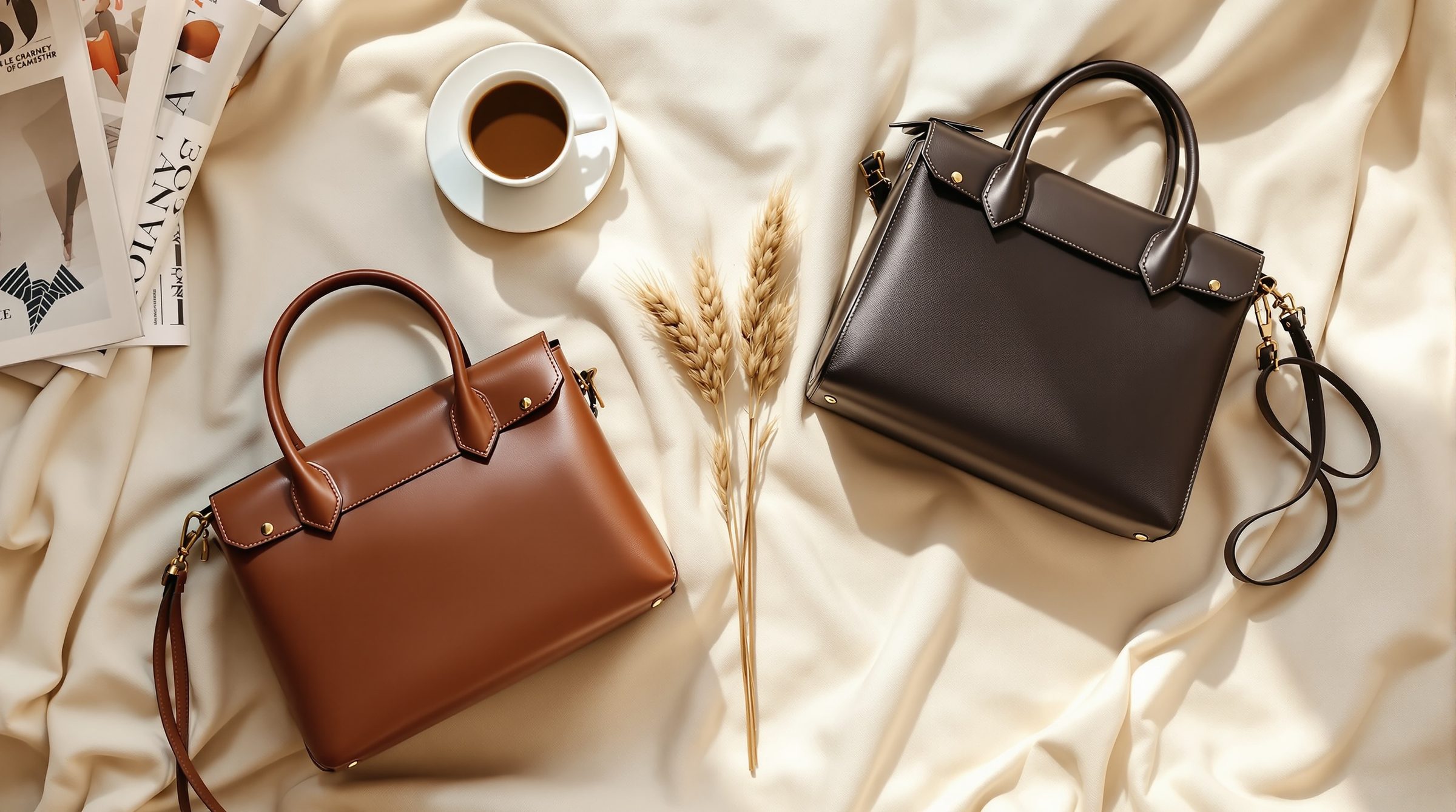
If you've searched "Birkin alternative" you've already found a hundred listicles. Most of them are SEO sludge — bags ranked by Amazon affiliate commissions, not by leather. This is the real list. Eight brands that genuinely give you the craft for less, ranked by materials, country of production, and what you'd pay if there was no logo on the front.
What "Made in Italy" actually means (and the loophole most brands use)
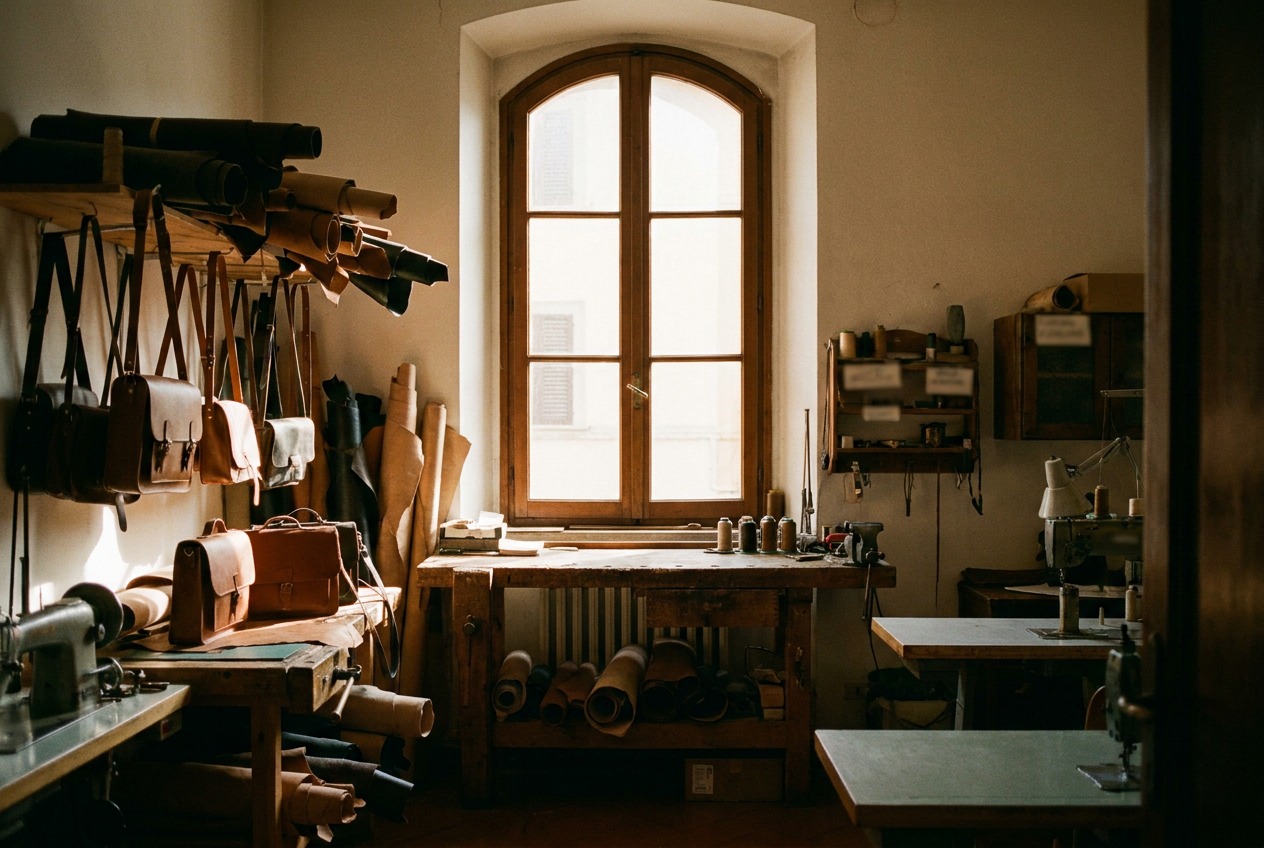
There's a difference between a Made in Italy bag and a bag made in Italy. The legal definition is much looser than most people assume. Here's what the label actually guarantees, what it doesn't, and how to ask a brand the right question.
Why does a luxury handbag cost €4,000? The real markup breakdown
A €4,000 handbag isn't €4,000 of materials. The leather costs what the leather costs. The stitching takes the hours it takes. So what makes up the rest of the price tag? We did the maths.